Having a swimming pool in your backyard is a luxury that many dream of, but maintaining it can often feel like a daunting task. Regular cleaning is essential to keep the water clear, safe, and enjoyable for swimming. In this article, we will explore the various aspects of pool cleaning, the importance of proper maintenance, and practical tips to keep your pool in pristine condition.
Why Regular Pool Cleaning is Essential
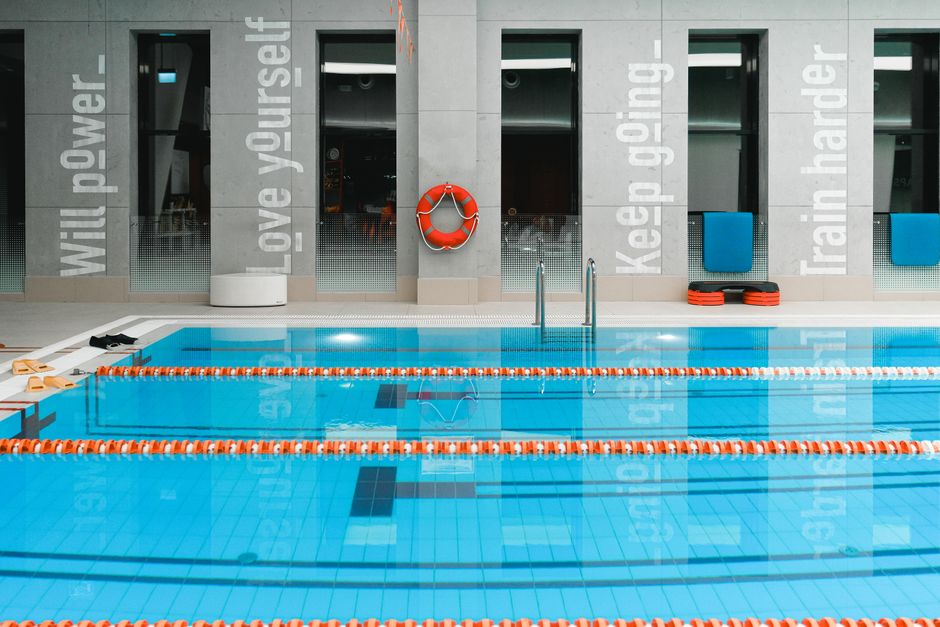
Regular pool cleaning goes beyond just aesthetics; it is vital for health and safety. Dirty water can harbor bacteria and algae, posing health risks to swimmers. According to the Centers for Disease Control and Prevention (CDC), poorly maintained pools can lead to recreational water illnesses (RWIs), which can be severe, especially for children and the elderly. Moreover, dirt and debris can damage the pool’s filtration system, leading to costly repairs.
In addition to health risks, a clean pool enhances the overall enjoyment of swimming. Clear water allows for better visibility, making it safer for everyone. Regular cleaning schedules help ensure that your pool remains an inviting oasis rather than a neglected eyesore.
Types of Pool Cleaning Methods
There are various methods for cleaning pools, each with its own advantages and disadvantages. Manual cleaning is the traditional approach, where a pool owner uses a brush, vacuum, and skimmer net to remove debris. While effective, this method can be labor-intensive and time-consuming.
Automatic pool cleaners are a popular alternative. These machines can significantly reduce the amount of manual labor required. They come in various types, including suction-side, pressure-side, and robotic cleaners. Each type has its own mechanism for cleaning, but all aim to make pool maintenance easier.
Regardless of the method chosen, combining manual and automatic cleaning can yield the best results. For instance, using an automatic cleaner to handle the bulk of debris while performing manual checks can help maintain high cleanliness standards.
Essential Pool Cleaning Equipment
Investing in the right equipment is crucial for effective pool cleaning. Some essential tools include:
- Skimmer Net: This tool is used to remove floating debris such as leaves and bugs from the surface of the water.
- Brush: A good pool brush helps scrub the walls and floor of the pool, removing algae and grime.
- Vacuum: Pool vacuums, whether manual or automatic, are essential for cleaning the pool floor and corners where debris tends to accumulate.
- Water Testing Kit: Regularly testing the pool water for pH, chlorine levels, and alkalinity is critical for maintaining water quality.
For those looking for comprehensive guidance on maintaining their pool, resources like limpieza piscinas can provide valuable insights and techniques.
Creating a Cleaning Schedule
Establishing a routine cleaning schedule is vital for maintaining your pool’s cleanliness. A general rule of thumb is to clean the pool at least once a week, but this may vary based on the pool’s usage and surrounding environment. For example, pools located near trees may require more frequent cleaning due to falling leaves.
Your cleaning schedule should include tasks such as skimming the surface, brushing the walls, vacuuming the bottom, and testing the water chemistry. Keeping a checklist can help ensure that all necessary tasks are completed each week.
Common Pool Cleaning Challenges
Even with regular maintenance, pool owners may encounter challenges such as persistent algae growth, cloudy water, or equipment malfunctions. Algae can be particularly troublesome, often requiring more intensive cleaning methods and chemical treatments to eradicate.
Cloudy water is another common issue, typically caused by imbalanced water chemistry or ineffective filtration systems. To address this, regular testing and adjustment of chemical levels are essential. Additionally, ensuring that the filtration system is functioning properly can help prevent cloudy conditions.
Lastly, equipment malfunctions can hinder cleaning efforts. Regular inspections and maintenance of pool cleaning equipment can minimize the risk of breakdowns, ensuring that your pool cleaning process remains efficient.
Conclusion
Maintaining a clean swimming pool is essential for both health and enjoyment. By understanding the importance of regular cleaning, exploring various cleaning methods, investing in the right equipment, and creating a structured cleaning schedule, pool owners can ensure that their swimming pools remain inviting and safe. With the right approach, pool cleaning can become a manageable task that enhances the overall experience of pool ownership.