Horse riding is not just a sport; it’s a lifestyle that connects individuals with nature and animals in a way that few other activities can. Whether you are a complete novice or someone with some experience, taking horse riding lessons can open up a world of opportunities for personal growth, fitness, and enjoyment. In this article, we will explore the many benefits of horse riding lessons, tips for beginners, and how to find the right riding school.
The Benefits of Horse Riding
Engaging in horse riding offers numerous benefits that go beyond mere enjoyment. Firstly, it is an excellent form of physical exercise. Riding a horse requires balance, coordination, and strength. According to a study published in the Journal of Sports Science, horse riding can burn up to 300 calories per hour, depending on the intensity of the ride. Additionally, riding helps improve core strength and posture, as riders must maintain a stable position while controlling their horse.
Moreover, horse riding is known to have positive mental health benefits. Interacting with horses can reduce stress and anxiety, promoting a sense of calm and well-being. The therapeutic effects of riding are especially beneficial for individuals dealing with conditions such as PTSD, anxiety disorders, and depression. Many riding schools offer specialized programs that focus on the therapeutic aspects of riding.
Furthermore, horse riding encourages discipline and responsibility. Caring for a horse requires commitment, and riders learn valuable life skills such as patience, teamwork, and empathy. These qualities are essential not only in riding but also in various aspects of life.
What to Expect in Your First Riding Lesson
As a beginner, your first horse riding lesson can be both exciting and nerve-wracking. Most riding schools will start with an introduction to the horse and basic safety protocols. You will learn how to groom, saddle, and bridle the horse before you even mount it. Understanding the horse’s body language and behavior is crucial for a safe and enjoyable experience.
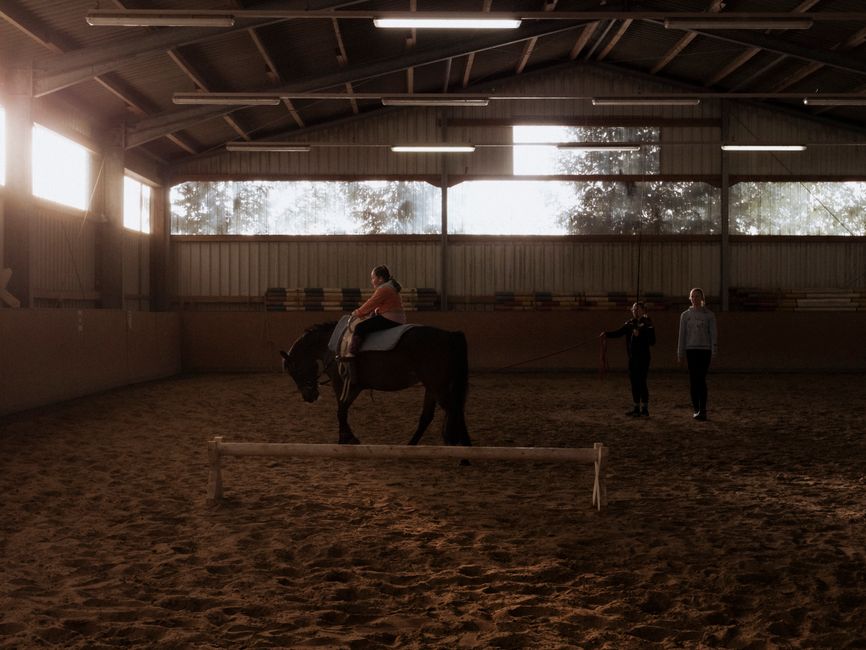
During the lesson, you will typically start with basic riding techniques. This includes learning how to hold the reins, how to sit properly in the saddle, and how to communicate with your horse through your body movements. An experienced instructor will guide you through these steps, ensuring you feel comfortable and safe.
It’s important to remember that everyone learns at their own pace. Don’t be discouraged if you find it challenging at first. With practice and patience, your skills will improve. Many riders find that the bond they develop with their horse is one of the most rewarding aspects of riding.
Finding the Right Riding School
Choosing the right riding school is crucial for a positive learning experience. Start by researching local riding schools and reading reviews from other students. Look for schools that offer structured programs and experienced instructors who prioritize safety. It’s also beneficial to visit the school and observe a lesson before making a decision.
Consider the type of riding you are interested in. Some schools specialize in English riding, while others focus on Western riding or dressage. Make sure the school you choose aligns with your interests and goals. Additionally, many riding schools offer trial lessons, which can be a great way to experience the environment and teaching style before committing.
Finally, consider the facilities available at the school. Well-maintained stables, riding arenas, and access to trails are all indicators of a reputable riding school. If possible, ask about the horses used for lessons. They should be well-trained, healthy, and suitable for beginners.
Tips for Success in Horse Riding Lessons
To get the most out of your horse riding lessons, consider these practical tips. Firstly, always arrive on time and be prepared with the appropriate riding gear, including a helmet, boots, and comfortable clothing. Being punctual shows respect for your instructor and helps maximize your lesson time.
Additionally, maintain a positive attitude and be open to feedback. Riding is a skill that requires practice, and it’s normal to make mistakes along the way. Embrace the learning process and celebrate your progress, no matter how small.
Lastly, consider complementing your riding lessons with other activities, such as volunteering at a stable or participating in horse care workshops. This hands-on experience will deepen your understanding of horses and improve your riding skills.
Conclusion
Horse riding lessons are an enriching experience that offers physical, mental, and emotional benefits. From improving fitness to fostering a connection with animals, the advantages are numerous. Whether you are seeking a new hobby or aiming to compete, the journey begins with your first lesson. As you embark on this exciting adventure, remember to enjoy the process and cherish the moments spent with these magnificent creatures. For those interested in professional guidance, you can explore horse riding lessons at various equestrian facilities that cater to all skill levels, ensuring a fulfilling experience.