
In an age where home safety is paramount, the importance of a reliable home security system cannot be overstated. As crime rates fluctuate and new threats emerge, homeowners are increasingly seeking ways to safeguard their properties and loved ones. This article explores the various components and benefits of modern home security systems, providing you with the knowledge to make informed decisions for your safety.
Understanding Home Security Systems
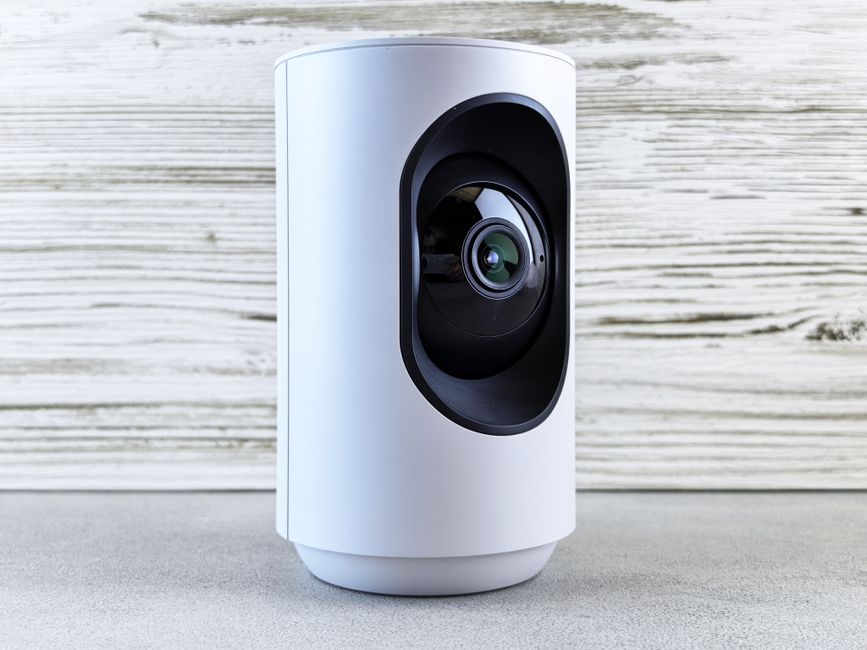
Home security systems are designed to deter intrusion, monitor activity, and alert homeowners to potential dangers. These systems can range from simple alarm setups to comprehensive surveillance networks that integrate various technologies. Knowing the different types of systems available is crucial for selecting one that fits your specific needs.
Typically, a home security system includes sensors for doors and windows, motion detectors, security cameras, and a central control panel. Some systems offer additional features such as smart home integration, allowing users to control their security settings remotely via smartphones or tablets. As you consider your options, it’s essential to assess your home’s layout and potential vulnerabilities to create an effective security plan.
Types of Home Security Systems
There are several types of home security systems available, each with its unique advantages. One popular choice is the wired security system, which connects components through physical wires. While this option can be more reliable, installation is often more complicated and may require professional assistance.
On the other hand, wireless security systems have gained popularity due to their ease of installation and flexibility. These systems use radio signals to communicate, making them ideal for renters or those looking for a quick setup. However, wireless systems can be susceptible to interference, so it’s vital to choose high-quality products.
Another growing trend is the use of smart home security systems. These systems integrate with other smart devices in your home, allowing for seamless control and automation. For instance, you can set your lights to turn on when your security camera detects movement, creating the illusion of occupancy even when you’re away. This level of integration not only enhances security but also provides convenience and peace of mind.
The Benefits of Installing a Home Security System
Investing in a home security system offers numerous benefits beyond just preventing theft. One significant advantage is the peace of mind it provides. Knowing that your home is monitored 24/7 can alleviate stress, allowing you to focus on other aspects of your life.
Moreover, many insurance companies offer discounts on homeowners’ insurance premiums for properties equipped with security systems. This can lead to significant savings over time, offsetting the initial investment in the system. Additionally, homes with visible security measures are often less likely to be targeted by burglars, as they prefer easy targets.
Furthermore, modern security systems often come equipped with features that enhance overall home safety. For example, you can integrate smoke detectors and carbon monoxide alarms into your security system, ensuring comprehensive protection against various hazards. This multifaceted approach to safety is invaluable for families, particularly those with children or elderly members.
Choosing the Right Security System for Your Home
When selecting a home security system, several factors should influence your decision. Start by assessing your property’s vulnerabilities—consider aspects such as entry points, visibility, and neighborhood safety. Next, determine your budget and the features that matter most to you, whether it’s professional monitoring, video surveillance, or smart home integration.
It’s also essential to research different brands and read customer reviews. Look for systems that offer reliable performance, easy installation, and excellent customer support. Additionally, consider whether you prefer a do-it-yourself approach or if you’d rather have a professional installer set up your security system.
Finally, don’t forget to evaluate the ongoing costs associated with your chosen system. Some systems require monthly monitoring fees, while others offer self-monitoring options. Understanding these costs upfront can help you avoid surprises down the line.
Conclusion: Securing Your Future
In conclusion, investing in a home security system is a proactive step towards safeguarding your family and property. With various options available, it’s essential to understand the features and benefits of different systems to find the one that best meets your needs. Whether you choose a traditional wired system, a modern wireless setup, or a smart home integration, the key is to prioritize safety and peace of mind.
Ultimately, a well-chosen home security system not only protects your possessions but also enhances your quality of life. To explore top-rated options, consider researching a comprehensive home security system that fits your requirements.