
The electric vehicle (EV) market is rapidly expanding, driven by the global push towards sustainability and reduced carbon emissions. As a result, the demand for high-performance batteries is skyrocketing. Understanding the role of EV battery suppliers is crucial for anyone interested in the future of transportation and energy. In this article, we will explore the current landscape of EV battery suppliers, the challenges they face, and the innovations shaping their future.
Understanding the EV Battery Market
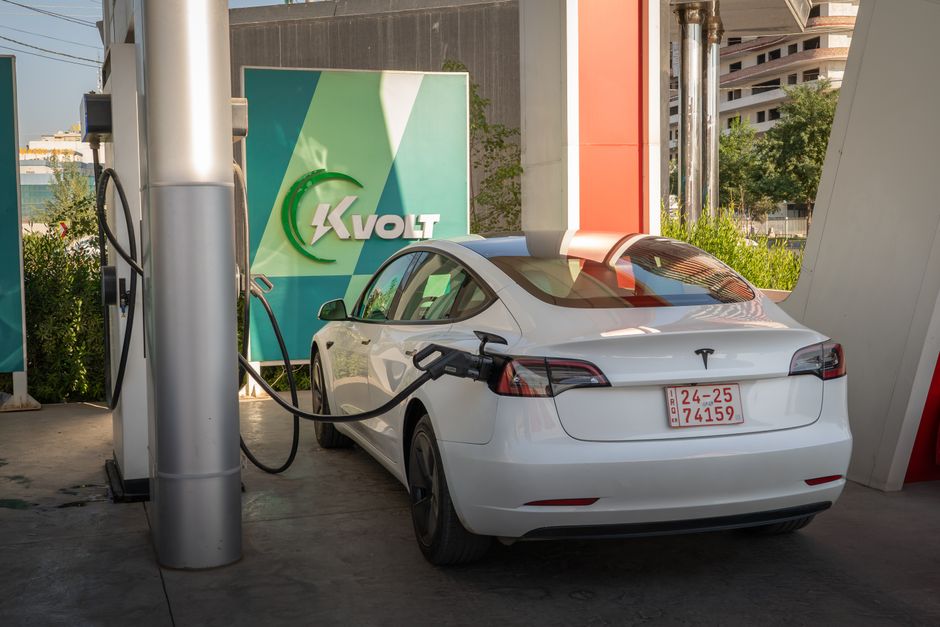
The EV battery market has seen remarkable growth over the past decade. According to a report by BloombergNEF, the global EV battery market is expected to reach a value of $100 billion by 2025. This growth is primarily driven by the increasing production of electric vehicles, which are projected to account for 58% of all new car sales by 2040. As the demand for EVs rises, so does the need for reliable and efficient battery suppliers.
EV batteries, particularly lithium-ion batteries, are at the forefront of this transformation. They are known for their energy density and longevity, making them a popular choice for manufacturers. However, the supply chain for these batteries is complex and involves various players, including raw material suppliers, battery manufacturers, and automakers.
Key Players in the EV Battery Supply Chain
The EV battery supply chain is dominated by a few key players. Companies like Panasonic, LG Chem, and CATL are leading the charge in battery production. These companies have established partnerships with major automakers to secure long-term contracts and ensure a steady supply of batteries.
For instance, Tesla has a significant partnership with Panasonic to produce batteries for its electric vehicles. This collaboration has allowed Tesla to scale its production and meet the growing demand for its vehicles. Similarly, LG Chem has secured contracts with General Motors and Ford, positioning itself as a critical player in the North American market.
Additionally, the rise of startups in the EV battery space is noteworthy. Companies like QuantumScape and Solid Power are working on next-generation battery technologies that promise higher energy densities and faster charging times. These innovations could disrupt the market and provide automakers with new options for powering their vehicles.
Challenges Facing EV Battery Suppliers
Despite the booming demand for EV batteries, suppliers face several challenges that could hinder their growth. One major issue is the volatility in the prices of raw materials, such as lithium and cobalt. The reliance on these materials makes the supply chain vulnerable to fluctuations in prices, which can impact production costs.
Moreover, the environmental concerns associated with mining these materials are increasingly coming under scrutiny. As consumers become more eco-conscious, battery suppliers must find ways to source materials sustainably and minimize their environmental impact. This could involve investing in recycling technologies or developing alternative battery chemistries that rely less on scarce resources.
Another challenge is the competition among battery suppliers. As more companies enter the market, it becomes increasingly difficult for existing players to maintain their market share. This competition drives innovation but also increases the pressure on companies to reduce costs and improve efficiency.
Innovations Shaping the Future of EV Batteries
Innovation is crucial for the EV battery supply chain as companies strive to meet growing demands and overcome challenges. Research and development efforts are focusing on enhancing battery performance, reducing costs, and improving sustainability.
One promising area of innovation is solid-state batteries. Unlike traditional lithium-ion batteries, solid-state batteries use a solid electrolyte instead of a liquid one, which can potentially increase energy density and safety. Companies like Toyota and Volkswagen are investing heavily in this technology, hoping to introduce solid-state batteries in their vehicles within the next few years.
Another trend is the development of battery recycling programs. As the market for EVs grows, so does the need for effective recycling methods to reclaim valuable materials from used batteries. Companies are recognizing the importance of a circular economy and are investing in technologies that can recycle batteries efficiently, thus reducing their environmental footprint.
The Importance of Strategic Partnerships
Strategic partnerships are becoming increasingly important for EV battery suppliers. Collaborations between manufacturers, technology companies, and researchers can accelerate the development of innovative battery solutions. By pooling resources and expertise, these partnerships can tackle the challenges facing the industry more effectively.
For example, the collaboration between automotive companies and battery manufacturers allows for the sharing of insights and advancements in battery technology. This information exchange can lead to the creation of batteries that are not only more efficient but also more affordable for consumers.
Furthermore, partnerships with governments and research institutions can facilitate funding for research initiatives and help establish regulatory frameworks that support innovation in the EV battery space.
Conclusion
The landscape of EV battery suppliers is rapidly evolving as the demand for electric vehicles continues to grow. Key players in the market are responding to challenges with innovation and strategic partnerships, which are essential for navigating the complexities of the supply chain. The future of transportation depends on the advancements made in battery technology and the ability of suppliers to meet the demands of both automakers and consumers.
As we look ahead, it is clear that the role of the EV battery supplier will be pivotal in shaping the future of sustainable transportation and addressing the environmental challenges we face today.