
The agricultural industry plays a vital role in the economy, providing food, raw materials, and employment. However, farmers face numerous risks including natural disasters, pests, and market fluctuations that can threaten their livelihoods. Crop insurance has emerged as a crucial tool for farmers to mitigate these risks and ensure financial stability. In this article, we will explore the significance of crop insurance, its types, and how it works.
What is Crop Insurance?
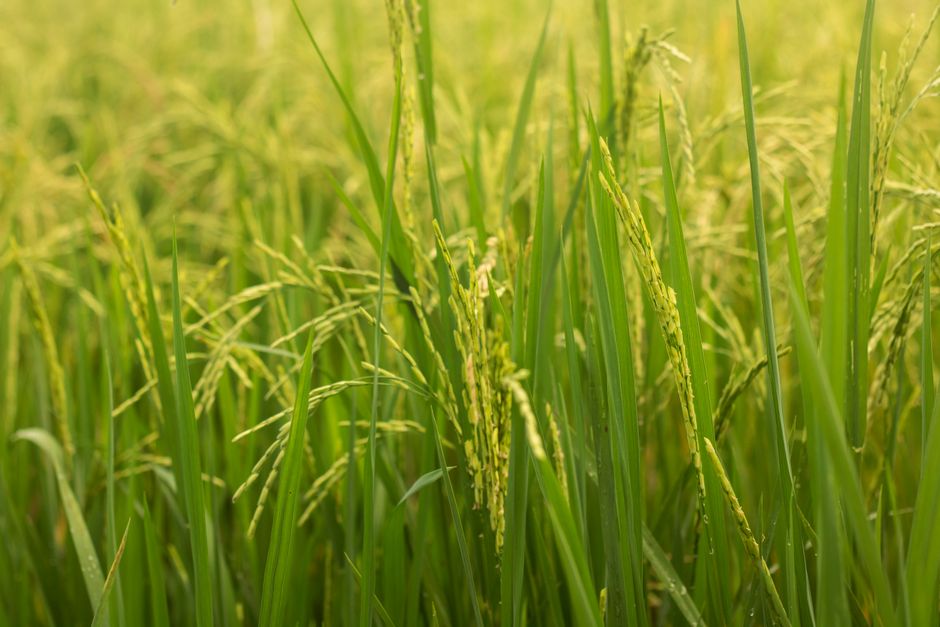
Crop insurance is a type of insurance designed to protect farmers against the loss of their crops due to unforeseen events. These events can include natural disasters such as floods, droughts, hailstorms, and other extreme weather conditions. Additionally, crop insurance can cover losses due to pest infestations and diseases that can devastate crops. By providing a safety net, crop insurance helps farmers manage risks and make informed decisions about their farming practices.
There are two primary types of crop insurance: Actual Production History (APH) insurance and Revenue Protection (RP) insurance. APH insurance compensates farmers based on their historical yield data, while RP insurance protects against a decline in crop revenue due to lower yields or prices. Both types offer farmers a way to safeguard their investments and secure their financial future.
The Importance of Crop Insurance
Crop insurance plays a critical role in the sustainability of the agricultural sector. First and foremost, it provides financial security for farmers. According to the Risk Management Agency (RMA), farmers with crop insurance are more likely to recover from losses and continue farming in subsequent years. This stability is essential for maintaining food production and ensuring food security.
Moreover, crop insurance can enhance credit access for farmers. Many lending institutions require farmers to carry insurance as a prerequisite for providing loans. With crop insurance, farmers can secure the necessary funding to invest in their operations, purchase equipment, or expand their farms. This access to credit is vital for the growth and sustainability of the agricultural industry.
Who Benefits from Crop Insurance?
While crop insurance primarily benefits farmers, its advantages extend to various stakeholders within the agricultural ecosystem. Agricultural lenders, insurers, and even consumers benefit from a stable agricultural market. For instance, when farmers have crop insurance, they are less likely to default on loans during bad years, which protects lenders’ investments.
Additionally, crop insurance contributes to overall economic stability. By reducing the financial burden on farmers during adverse conditions, it minimizes the risk of a significant decline in agricultural production. This stability is crucial for local economies that rely on agriculture as a primary source of income and employment.
Challenges and Considerations
Despite its many benefits, crop insurance is not without challenges. One significant concern is the affordability of premiums. Some smaller farmers may find it difficult to pay for crop insurance, which limits their ability to protect their crops. Policymakers and agricultural organizations are working on solutions to make crop insurance more accessible and affordable for all farmers.
Another challenge is the complexity of insurance policies. Farmers may struggle to understand the terms and conditions of their policies, leading to inadequate coverage. Therefore, it is essential for farmers to educate themselves about their options and seek guidance from professionals in the field.
Conclusion
In summary, crop insurance serves as a vital component of risk management for farmers in the agricultural sector. It provides financial security, enhances credit access, and ensures the sustainability of food production. While challenges exist, ongoing efforts to improve the accessibility and understanding of crop insurance can help more farmers benefit from this essential safety net. As the agricultural landscape continues to evolve, embracing crop insurance will be crucial for securing a stable and prosperous future for farmers and consumers alike. For more detailed information, you can visit crop insurance resources.