
Barbecue is more than just a method of cooking; it is a culture, a lifestyle, and a bonding experience that brings people together. From the smoky aroma of meat sizzling on a grill to the anticipation of a perfectly cooked brisket, barbecue evokes a sense of community and celebration. This guide will explore various barbecue techniques, regional styles, and tips to elevate your grilling game.
Understanding Barbecue: The Basics
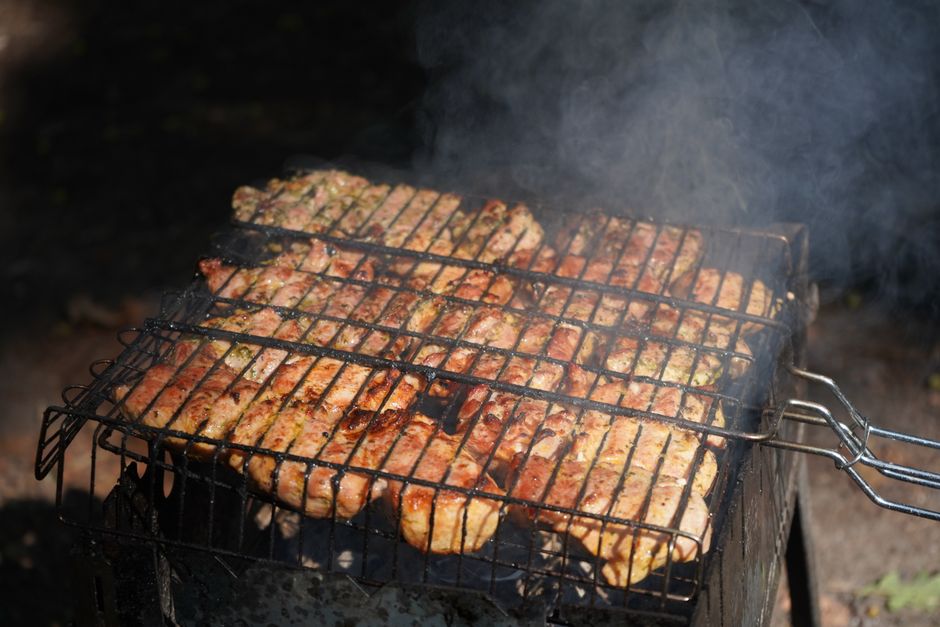
At its core, barbecue is a cooking method that involves slow-cooking meat over indirect heat. This technique allows for the infusion of flavors and tenderness that is hard to achieve with other cooking methods. There are various types of barbecue, including grilling, smoking, and even roasting, each with its unique approach and equipment.
When discussing barbecue, it is essential to differentiate between grilling and smoking. Grilling typically involves high heat and shorter cooking times, while smoking requires low heat and longer cooking durations. The choice of wood and type of meat can also significantly affect the final flavor of the dish.
Various regions in the United States have their own distinct barbecue styles, often defined by the type of meat used, the sauce, and the cooking technique. For instance, Kansas City is known for its thick, sweet tomato-based sauces, while Texas barbecue often features a dry rub and focuses on beef.
Choosing the Right Equipment
The right equipment can make or break your barbecue experience. Depending on your cooking style, you may opt for a charcoal grill, gas grill, or a dedicated smoker. Each has its pros and cons.
Charcoal grills are favored for their ability to impart a smoky flavor to the meat, while gas grills offer convenience and ease of use. Smokers, on the other hand, are designed specifically for low and slow cooking, allowing for optimal flavor infusion.
In addition to the grill or smoker, investing in quality utensils such as tongs, a meat thermometer, and a basting brush will enhance your overall barbecue experience. These tools not only aid in the cooking process but also ensure food safety by allowing you to check internal temperatures accurately.
Essential Barbecue Techniques
Mastering various barbecue techniques can elevate your cooking and impress your guests. Some essential techniques include searing, indirect cooking, and using wood chips for smoking.
Searing meat at high temperatures can create a beautiful crust that locks in juices. Following this, moving the meat to a cooler side of the grill allows it to cook through without burning. This method is especially useful for larger cuts of meat.
Using wood chips for smoking can add depth to the flavor profile of your barbecue. Different woods, such as hickory, mesquite, and applewood, impart distinct tastes, so experimenting with various combinations can lead to delightful results.
Regional Barbecue Styles
Exploring regional barbecue styles can enhance your understanding and appreciation of this culinary art. In addition to Kansas City and Texas styles, the Carolinas are known for their vinegar-based sauces, particularly in North Carolina. Here, whole hog barbecue is a beloved tradition, often served with coleslaw and hushpuppies.
In Alabama, you’ll find a unique white sauce made with mayonnaise, vinegar, and spices, which is served with chicken and pork. These diverse styles highlight the adaptability and creativity within barbecue culture.
Furthermore, international barbecue traditions, such as Brazilian churrasco and Korean galbi, showcase how different cultures interpret the concept of barbecue. Each style has unique marinades, cooking methods, and serving traditions, making barbecue a truly global phenomenon.
Barbecue Safety and Tips
Food safety is paramount when it comes to barbecue. Ensuring that meat is cooked to the appropriate internal temperature is crucial. Using a meat thermometer can help you avoid undercooked or overcooked meat, ensuring a safe and enjoyable meal.
Additionally, always practice good hygiene by washing hands and utensils before and after handling raw meat. Keeping a clean workspace helps prevent cross-contamination and foodborne illnesses.
Lastly, don’t forget to enjoy the process! Barbecue is as much about the experience as it is about the food. Gather friends and family, share stories, and savor the flavors of your hard work. If you have any questions or need assistance, feel free to reach out to Zeus for expert advice.
Conclusion
Barbecue is an art that requires practice, patience, and a passion for flavor. By understanding the basics, choosing the right equipment, mastering essential techniques, and exploring regional styles, you can create memorable meals that bring people together. Remember that the joy of barbecue lies not just in the food but in the experience of sharing it with others. So fire up your grill, invite some friends over, and enjoy the delicious world of barbecue!