
The world of education is undergoing a profound transformation in the 21st century, driven by advancements in technology, changes in societal needs, and a growing understanding of diverse learning styles. As we explore this dynamic landscape, we uncover the various factors shaping education today and the implications for future generations. This article will delve into the trends, challenges, and opportunities that define modern education.
Technological Integration in Education
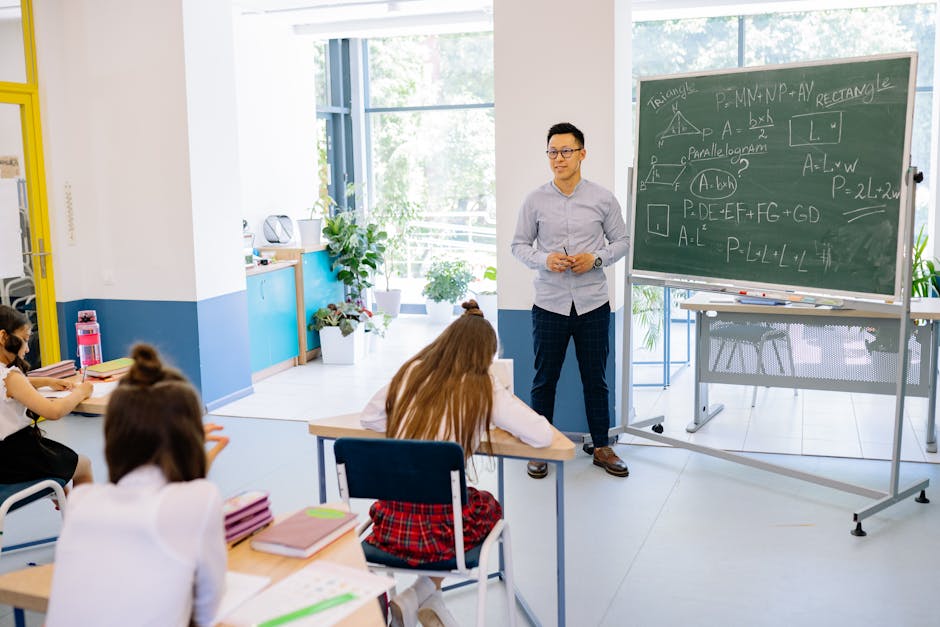
One of the most significant changes in education is the integration of technology into the learning process. Digital tools and platforms are no longer supplementary; they have become essential components of the educational experience. Schools and universities are adopting online learning systems, interactive applications, and virtual classrooms to enhance engagement and accessibility.
According to a report by the National Center for Education Statistics, the percentage of public school students enrolled in online courses has increased significantly over the past decade. This shift has been particularly beneficial for students in remote areas, providing them with opportunities that might not have been possible otherwise. Furthermore, technology facilitates personalized learning, allowing educators to tailor their instruction to meet individual students’ needs.
However, this rapid technological advancement comes with its own set of challenges. Educators are required to adapt quickly to new tools, which can lead to a steep learning curve. Additionally, not all students have equal access to technology, raising concerns about the digital divide and the potential for increased inequality in educational outcomes.
Emphasis on Social-Emotional Learning
In recent years, there has been a growing recognition of the importance of social-emotional learning (SEL) in education. This approach focuses on developing students’ emotional intelligence, resilience, and interpersonal skills, which are crucial for success in both personal and professional life. Schools are increasingly implementing SEL programs to foster a positive school climate and improve students’ mental health.
Research has shown that students who participate in SEL programs demonstrate improved academic performance, better behavior, and reduced emotional distress. For instance, a study published in the journal *Child Development* found that students who received SEL instruction had significantly better social skills and academic achievement compared to their peers who did not.
As educators prioritize SEL, they face the challenge of integrating these practices into already packed curricula. Training teachers to effectively deliver SEL content and create supportive environments is essential for the success of these initiatives.
The Role of Lifelong Learning
In a rapidly changing job market, the concept of lifelong learning has gained prominence. Individuals are increasingly required to upskill and reskill to remain competitive in their fields. This shift has led to the rise of alternative education pathways such as online courses, boot camps, and micro-credentials that cater to adult learners seeking to advance their careers.
According to a survey by the Pew Research Center, 87% of workers believe that continuous learning is essential for career development. The flexibility offered by online and alternative learning formats allows professionals to balance their education with work and personal commitments, making it an attractive option for many.
However, the challenge lies in ensuring the quality and recognition of these alternative educational programs. Employers must be educated about the value of micro-credentials and alternative pathways to foster a culture of lifelong learning.
Equity and Inclusion in Education
As the landscape of education evolves, so does the conversation around equity and inclusion. Educational institutions are increasingly focused on creating environments that are welcoming and accessible to all students, regardless of their background. This includes addressing systemic barriers that marginalized groups face in education.
For example, initiatives aimed at increasing representation of underrepresented minorities in STEM fields have gained traction. Programs designed to mentor and support these students can significantly impact their academic and career trajectories. According to the National Science Foundation, minority students who participate in STEM programs are more likely to pursue careers in these fields.
However, achieving equity in education requires ongoing commitment and collaboration among educators, policymakers, and communities. Addressing issues such as funding disparities and cultural bias in curricula is essential to create a more inclusive educational environment.
Conclusion
The educational landscape of the 21st century is marked by rapid change and innovation. As technology continues to reshape how we learn, the focus on social-emotional learning, lifelong learning, and equity remains paramount. Educators, students, and stakeholders must work collaboratively to navigate these challenges and seize the opportunities that lie ahead. By embracing these changes, we can create a more effective and inclusive education system that prepares future generations for success.
Moreover, as we explore various educational resources, some individuals are turning to platforms that offer unique insights and opportunities in education, such as toto togel. This illustrates the diverse ways in which education can be approached and the importance of staying informed about emerging trends.