
The plumbing industry, like many other service-oriented sectors, has evolved significantly over the past decade. As technology continues to advance, plumbing businesses are increasingly adopting Customer Relationship Management (CRM) systems to streamline their operations, enhance customer satisfaction, and ultimately boost profitability. This article delves into the importance of CRM for plumbing businesses, the features to look for, and how to implement these systems effectively.
Understanding the Need for CRM in Plumbing
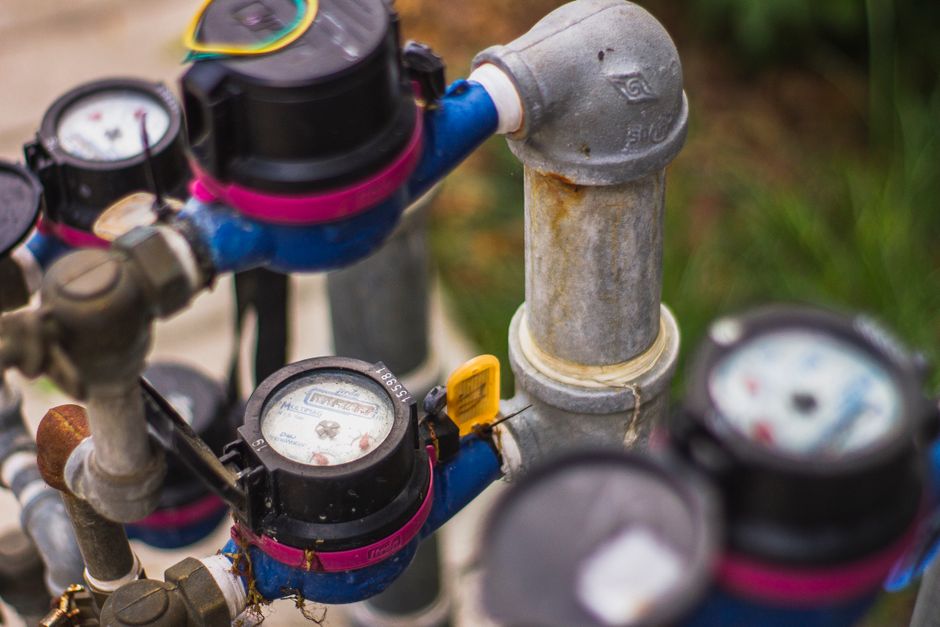
In the past, plumbing businesses often managed customer relations and scheduling through spreadsheets and manual processes. However, these outdated methods can lead to inefficiencies, missed appointments, and poor customer service. With the growing competition in the plumbing industry, it has become critical for businesses to adopt CRM solutions to maintain a competitive edge.
CRM systems enable plumbing companies to centralize customer information, track interactions, and manage schedules more effectively. According to a study by Nucleus Research, companies that implement CRM see an average return on investment of $8.71 for every dollar spent. This statistic highlights the potential financial benefits that plumbing businesses can gain from adopting a robust CRM system.
Furthermore, a well-implemented CRM can significantly improve customer satisfaction. By having access to comprehensive customer profiles, plumbing businesses can tailor their services to meet individual needs, leading to higher customer retention rates.
Key Features of Plumbing Business CRM
When selecting a CRM for a plumbing business, it’s essential to consider features that cater specifically to the unique needs of the industry. A comprehensive plumbing business CRM should include:
- Scheduling and Dispatching: Efficient scheduling tools help ensure that technicians are dispatched promptly, reducing downtime and improving customer satisfaction.
- Lead Management: The ability to manage and track leads from initial contact through to conversion is crucial for plumbing businesses looking to grow.
- Invoicing and Payment Processing: Streamlining the billing process through integrated invoicing and payment solutions can enhance cash flow and reduce administrative burdens.
Additionally, a good CRM should offer mobile access, allowing technicians in the field to access customer information, update job statuses, and communicate directly with the office in real-time.
Implementing CRM Solutions Effectively
Implementing a CRM system in a plumbing business requires careful planning and execution. First, it’s vital to identify the specific needs of the business and choose a CRM that aligns with those requirements. Involving team members in the selection process can also help ensure the system meets the needs of both management and staff.
Once the CRM is selected, training is essential for all users. Employees need to be comfortable using the system to maximize its benefits. Many CRM providers offer training resources and support to help businesses get started.
Moreover, integrating the CRM with existing tools and software can enhance its capabilities. For instance, linking the CRM with scheduling software or accounting systems can streamline workflows and reduce manual data entry.
Real-World Examples of Successful CRM Implementation
Numerous plumbing businesses have successfully implemented CRM systems and reaped the benefits. For instance, a small plumbing company in California reported a 30% increase in customer satisfaction ratings after adopting a CRM solution that streamlined their scheduling and invoicing processes.
Another example comes from a plumbing franchise that utilized a CRM to manage leads from their website. By tracking customer inquiries and automating follow-ups, the franchise saw a 25% increase in conversion rates within the first three months of implementation.
These examples illustrate how effective CRM solutions can lead to improved operational efficiency and customer loyalty, ultimately contributing to business growth.
Conclusion
In conclusion, a plumbing business CRM is an invaluable tool for enhancing customer relationships, improving operational efficiency, and driving profitability. By selecting the right system, prioritizing employee training, and integrating the CRM with existing tools, plumbing businesses can transform their operations and thrive in today’s competitive landscape. If you’re considering implementing a CRM solution, explore the benefits of a plumbing business CRM and take the first step towards optimizing your operations.