
Cardiopulmonary Resuscitation (CPR) is a vital skill that can mean the difference between life and death in emergency situations. Every year, thousands of people suffer from cardiac arrest, and immediate CPR can significantly increase the chances of survival. Understanding the techniques and the importance of CPR is essential for everyone, whether you are a healthcare professional or a layperson. In this article, we will delve into the significance of CPR, the steps involved, and how you can learn this lifesaving technique.
What is CPR?
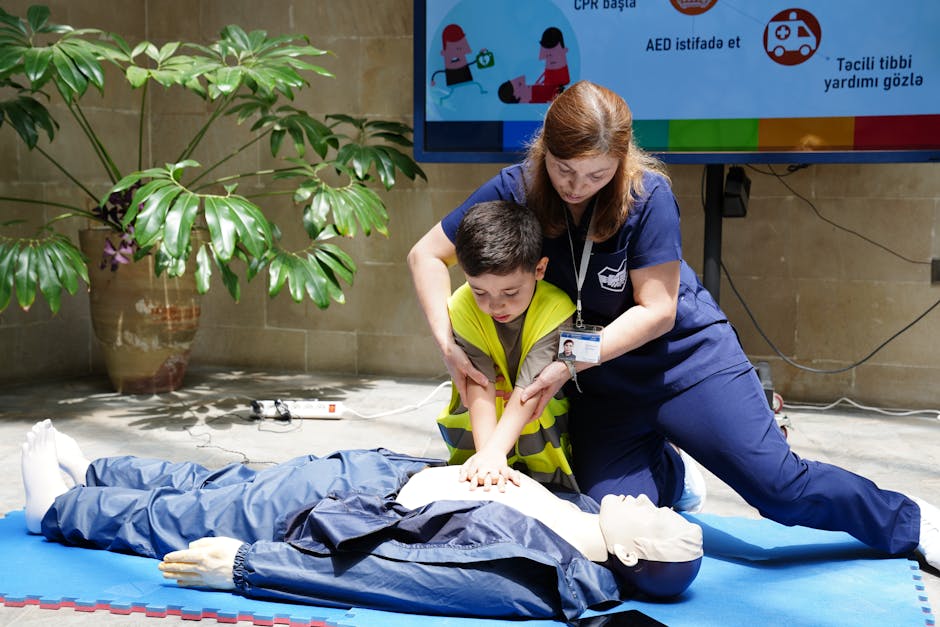
CPR is a combination of chest compressions and rescue breaths designed to keep blood and oxygen flowing to the brain and other vital organs during a cardiac arrest. When the heart stops beating, blood flow ceases, leading to brain damage and death within minutes. The primary goal of CPR is to restore the normal rhythm of the heart and maintain blood circulation until professional medical help arrives.
The procedure involves two main components: chest compressions and ventilation. Chest compressions help to pump blood through the body, while rescue breaths provide the oxygen needed for the victim. Understanding how to perform these techniques correctly is crucial for effective CPR.
The Importance of Learning CPR
Knowing how to perform CPR can empower individuals to take action in emergencies. According to the American Heart Association, immediate CPR can double or even triple a person’s chance of survival after cardiac arrest. Yet, despite its importance, many people are hesitant to perform CPR due to a lack of training or fear of causing harm.
In addition to increasing survival rates, learning CPR also fosters a sense of community and responsibility. When more people are trained in CPR, the likelihood of someone being able to assist in an emergency increases significantly. This collective knowledge can lead to a safer environment for everyone.
Steps to Perform CPR
Performing CPR can be broken down into several key steps, making it easier to remember during an emergency. Here’s a simplified guide:
- Check the scene: Ensure that the area is safe for both you and the victim.
- Check for responsiveness: Gently shake the person and shout to see if they respond.
- Call for emergency help: If there is no response, call emergency services immediately or ask someone else to do so.
- Start chest compressions: Place your hands in the center of the chest and compress at a rate of 100 to 120 compressions per minute.
- Provide rescue breaths: After every 30 compressions, give 2 rescue breaths if you are trained to do so.
It is essential to continue CPR until professional help arrives or the person shows signs of life. Remember, performing CPR is always better than doing nothing at all.
Training Opportunities for CPR
Fortunately, there are numerous resources available for individuals seeking to learn CPR. Various organizations offer courses, both in-person and online, to equip people with the necessary skills. For those in Sweden, you can find a comprehensive training program through HLR kurs Stockholm, which provides hands-on experience and certification.
Additionally, many workplaces and community centers frequently host CPR training sessions, making it accessible for everyone. Investing a few hours in training can prepare you to respond effectively in a crisis.
Common Misconceptions About CPR
Despite the widespread knowledge of CPR, several misconceptions continue to circulate, preventing people from taking action during emergencies. One common belief is that CPR is too complicated and requires extensive training. However, as outlined above, the basic steps can be easily learned and remembered.
Another misconception is the fear of doing harm. Many people worry that they might accidentally injure the person receiving CPR. It is important to recognize that the risks of not performing CPR are far greater than the potential for causing harm.
Conclusion
Cardiopulmonary Resuscitation is a critical skill that can save lives in emergencies. Understanding its importance, learning the steps involved, and dispelling the misconceptions surrounding it can empower individuals to act confidently when it matters most. By investing time in CPR training, you not only enhance your ability to help others but also contribute to a safer community. Remember, every second counts in a cardiac emergency, and your knowledge of CPR can make a life-saving difference.