
The children’s toy industry has undergone a remarkable transformation over the past few decades. With advancements in technology and a heightened focus on educational value, manufacturers are continually innovating to meet the evolving needs and preferences of children and their parents. This article explores the key trends, challenges, and successes of children toy manufacturers in today’s market.
Understanding Market Trends
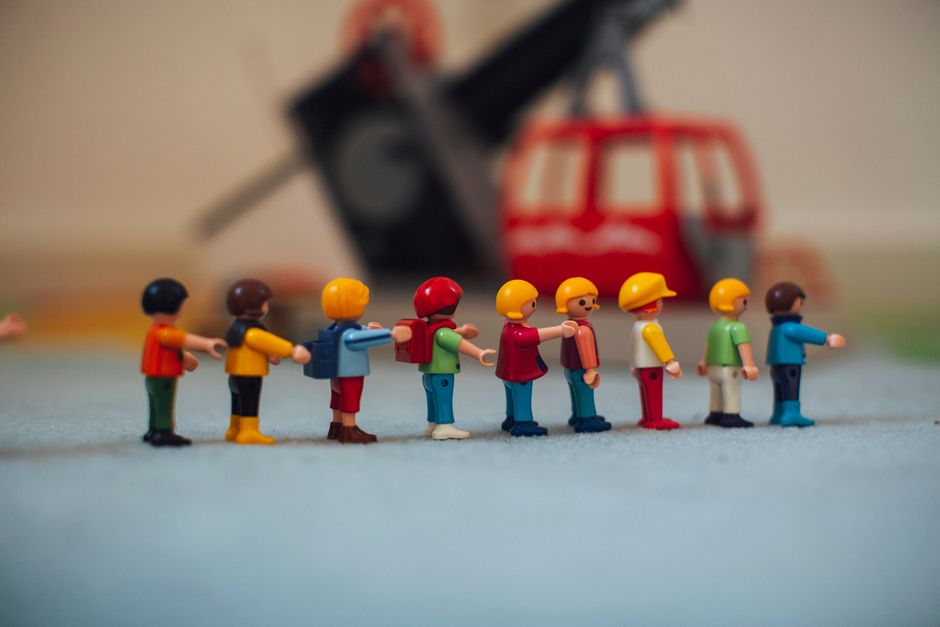
One of the most significant trends in the children’s toy sector is the shift toward educational toys. Parents increasingly seek products that not only entertain their children but also promote learning and development. According to a report from Grand View Research, the global educational toy market size was valued at $9.5 billion in 2021 and is expected to expand at a compound annual growth rate (CAGR) of 12.3% from 2022 to 2030. This growth presents a lucrative opportunity for children toy manufacturers to innovate and create products that align with educational standards.
Moreover, there is a growing emphasis on sustainability. More manufacturers are prioritizing eco-friendly materials and production methods as consumers become more environmentally conscious. Toys made from recycled materials or sustainably sourced wood are becoming increasingly popular, reflecting a broader cultural shift towards sustainability.
The Role of Technology in Toy Development
Technological advancements have revolutionized how toys are designed and produced. The integration of technology such as augmented reality (AR) and robotics has led to the creation of interactive toys that engage children in unprecedented ways. For example, toys that incorporate AR can bring stories to life, allowing children to interact with virtual characters in their play environment.
3D printing is another technology that is making waves in toy manufacturing. This technology allows for rapid prototyping and customization, enabling manufacturers to create unique toys tailored to specific consumer demands. As a result, children toy manufacturers can test new designs more efficiently and bring innovative products to market faster.
Challenges Faced by Toy Manufacturers
Despite the opportunities available, children toy manufacturers face significant challenges. Safety regulations are stringent, with various standards in place to ensure that toys are safe for children. Compliance with these regulations requires substantial investment in testing and quality assurance processes, which can be a barrier for smaller companies.
Additionally, the competitive landscape is fierce. Established brands dominate the market, making it difficult for new entrants to gain traction. To stand out, manufacturers must develop unique selling propositions and effectively market their products to consumers.
Successful Case Studies in the Industry
Several companies have successfully navigated the challenges of the toy industry by embracing innovation and focusing on consumer needs. For instance, LEGO has expanded its product line to include sets that promote STEM learning, aligning with the educational trend. By combining traditional building blocks with themes that inspire creativity and learning, LEGO continues to engage new generations of children.
Another notable example is Melissa & Doug, a company known for its commitment to quality and educational value. Their toys often emphasize imaginative play, helping children develop social skills and creativity. The success of these companies illustrates how focusing on quality, education, and innovation can lead to sustained growth in the toy industry.
The Future of Children Toy Manufacturing
As we look to the future, children toy manufacturers must remain adaptable to changing consumer preferences and technological advancements. The fusion of education and entertainment will likely continue to drive product development, as parents seek toys that provide both fun and learning opportunities.
Furthermore, the emphasis on sustainability will persist, pushing manufacturers to innovate in their sourcing and production methods. Companies that prioritize eco-friendly practices may find themselves gaining a competitive edge in an increasingly eco-conscious market.
In conclusion, the landscape of children toy manufacturing is evolving rapidly. To thrive, manufacturers must embrace innovation, understand market trends, and navigate the challenges of compliance and competition. By doing so, they can create products that not only delight children but also contribute positively to their development.
For those interested in partnering with a reputable children toy manufacturer, exploring established companies with a track record of innovation and quality can be a great start.