
The world of children’s toys has evolved significantly over the past few decades, driven by technological advancements, changing consumer preferences, and a greater emphasis on safety and sustainability. Children toy manufacturers have had to adapt to these changes while maintaining their core mission of providing fun and educational products for young audiences. This article delves into the various aspects of children toy manufacturing, from market trends to the importance of innovation and safety.
Market Trends in Children’s Toys
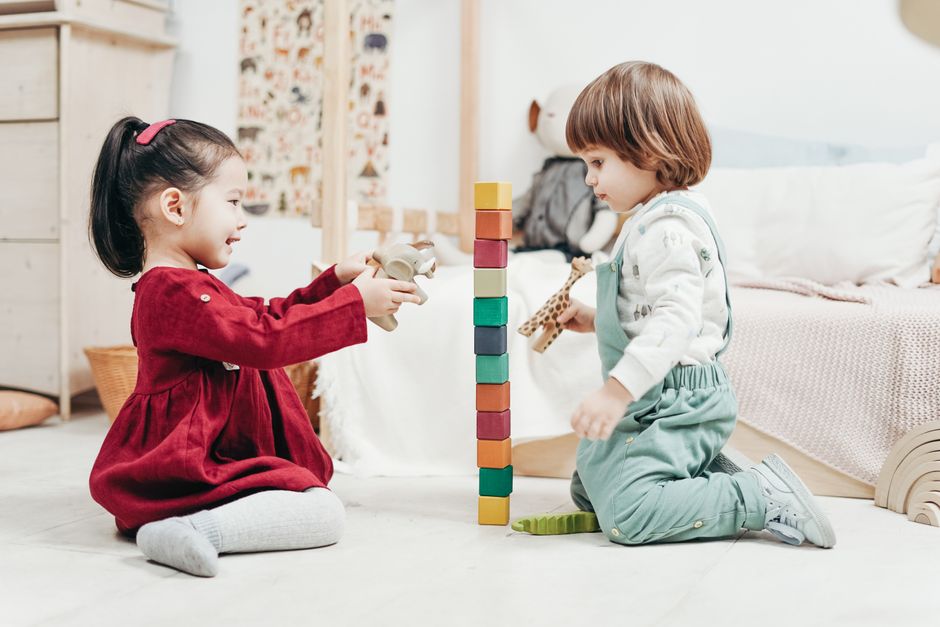
The global toy market has seen remarkable growth, with a projected value of over $120 billion by 2023. This growth is fueled by a variety of factors, including the rise of digital play and the increasing demand for interactive and educational toys. Manufacturers are responding to these trends by incorporating technology into their products, creating toys that not only entertain but also educate.
One notable trend is the surge in demand for eco-friendly toys. Parents today are more environmentally conscious and are looking for sustainable options for their children. This shift has prompted many children toy manufacturers to source materials responsibly and adopt sustainable practices in their production processes.
Moreover, the influence of popular media and franchises continues to shape the toy industry. Characters from movies, TV shows, and video games often become best-selling toys, demonstrating how interconnected the entertainment and toy sectors have become.
The Role of Safety Standards
Safety is paramount in the toy industry, with manufacturers facing stringent regulations to ensure their products are safe for children. In the United States, the Consumer Product Safety Commission (CPSC) sets safety standards that all toys must meet. These standards cover everything from the materials used to the design and functionality of the toys.
To comply with these safety standards, manufacturers invest heavily in testing and quality assurance processes. For instance, toys must be tested for choking hazards, sharp edges, and toxic substances. This diligence not only protects children but also builds trust with consumers.
As a result, many toy companies have established rigorous testing protocols, often exceeding the minimum legal requirements to provide parents with peace of mind.
Innovation in Toy Design
Innovation is at the heart of successful children toy manufacturers. The incorporation of technology into traditional toys has led to the creation of smart toys that can interact with children in new ways. These toys often use sensors, AI, and connectivity to provide a more immersive play experience.
For example, coding toys that teach children the basics of programming have gained popularity. These toys not only entertain but also provide educational value, aligning with parents’ desires for products that enrich their children’s learning experiences.
Additionally, manufacturers are exploring new materials and manufacturing techniques, such as 3D printing, to create unique and customizable toys. This level of personalization resonates with children and parents alike, making toys more appealing.
The Impact of E-Commerce on Toy Sales
The rise of e-commerce has transformed the way consumers purchase toys. Online shopping offers convenience and access to a wider selection of products than traditional retail stores. Children toy manufacturers have had to adapt their marketing strategies to thrive in this digital landscape.
Many companies now utilize social media and online advertising to reach their target audiences effectively. Influencer partnerships and engaging content on platforms like Instagram and YouTube have become essential for promoting new toy lines.
Furthermore, the COVID-19 pandemic accelerated the shift towards online shopping, as families sought safe ways to shop for toys. As a result, manufacturers have invested in their e-commerce platforms to enhance user experience and streamline the purchasing process.
Future Directions for Children Toy Manufacturers
Looking ahead, children toy manufacturers will continue to face challenges and opportunities in a rapidly changing market. The demand for sustainable and educational toys will likely grow, pushing companies to innovate continuously. Moreover, as technology continues to advance, the integration of digital elements into toys will become increasingly common.
Furthermore, as parents become more involved in their children’s play, manufacturers may need to consider the role of parents in the purchasing decision. Creating products that resonate with both children and their caregivers will be crucial for success.
In conclusion, the landscape of children toy manufacturing is dynamic and ever-evolving. By understanding market trends, prioritizing safety, embracing innovation, and adapting to the rise of e-commerce, manufacturers can position themselves for success in the future.
Conclusion
The journey of children toy manufacturers embodies the spirit of creativity and adaptability. As they navigate the complexities of modern consumer demands and technological advancements, these manufacturers remain committed to their mission of delighting children and supporting their development through play. The future of the toy industry looks bright, with endless possibilities for innovation and growth.