
In recent years, the landscape of concert ticketing has undergone a dramatic transformation, driven by technological advancements and changing consumer preferences. As live events make a resurgence post-pandemic, understanding the dynamics of concert ticketing platforms becomes crucial for both event organizers and fans alike. This article delves into the evolution, challenges, and future trends of concert ticketing platforms, providing insights for stakeholders in the live entertainment industry.
The Evolution of Concert Ticketing
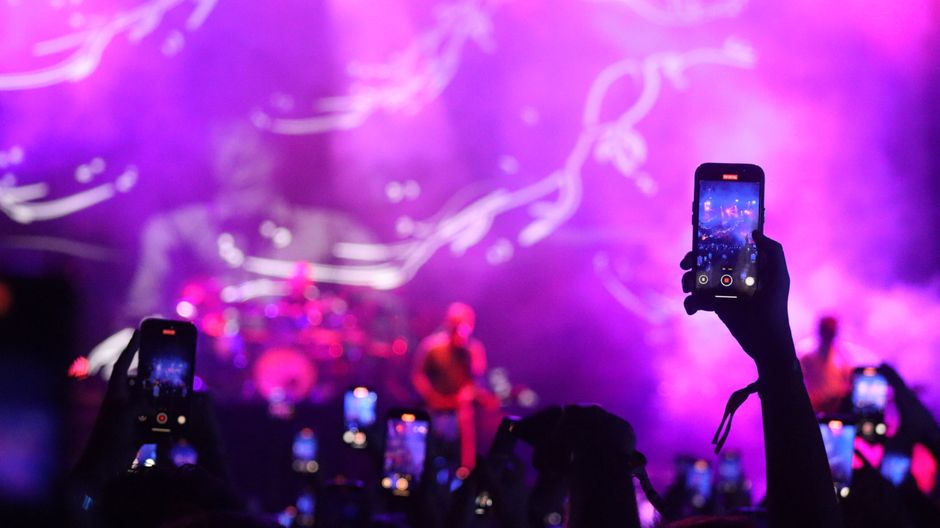
The journey of concert ticketing can be traced back to the days of physical box offices and paper tickets. As technology advanced, so did the methods of ticket sales. The introduction of online ticketing platforms revolutionized the industry, allowing fans to purchase tickets from the comfort of their homes. Today, concert ticketing platforms offer a seamless experience, integrating features such as mobile ticketing, digital wallets, and real-time availability updates.
For instance, platforms like Ticketmaster and Eventbrite have set the standard for online ticket sales, enabling users to browse through a variety of events and purchase tickets with just a few clicks. According to a report by Statista, the global online ticketing market is projected to reach over $68 billion by 2025, highlighting the growing reliance on digital solutions for ticket sales.
As concert ticketing continues to evolve, it’s essential to recognize the impact of social media and mobile applications. Many platforms now incorporate social sharing features, allowing users to share events with friends and family, thus driving ticket sales through word-of-mouth advertising.
Challenges Faced by Ticketing Platforms
Despite the advancements in technology, concert ticketing platforms face several challenges. One of the most significant issues is the prevalence of scalping and ticket reselling, which can drive up prices and limit access for genuine fans. Ticketmaster has implemented various measures to combat scalping, such as dynamic pricing and verified fan programs, but challenges remain.
Additionally, the COVID-19 pandemic has introduced new hurdles for ticketing platforms. With fluctuating restrictions and health guidelines, many events were canceled or postponed, leading to a surge in refund requests. This situation tested the resilience of ticketing platforms and highlighted the importance of transparent communication with customers.
Moreover, the rise of blockchain technology presents both opportunities and challenges for concert ticketing. While blockchain can enhance transparency and reduce fraud, its implementation in ticketing systems is still in its infancy, requiring further exploration and development.
Innovations Shaping the Future
Looking ahead, several innovations are poised to shape the future of concert ticketing platforms. One notable trend is the integration of artificial intelligence (AI) to enhance user experience. AI can analyze user behavior and preferences, providing personalized recommendations for events. This level of personalization can significantly improve customer satisfaction and drive ticket sales.
Another innovation is the adoption of virtual reality (VR) and augmented reality (AR) technologies. These technologies can offer immersive experiences, allowing fans to preview concert venues or even attend virtual events from the comfort of their homes. Such advancements can expand the reach of artists and promoters, enabling them to connect with audiences worldwide.
Moreover, sustainability is becoming a crucial consideration for concert organizers and ticketing platforms. Eco-friendly initiatives, such as digital ticketing and paperless transactions, are gaining traction as consumers increasingly prioritize environmental responsibility. Platforms that adopt sustainable practices may gain a competitive edge in the market.
The Role of Data Analytics
Data analytics plays a vital role in the success of concert ticketing platforms. By analyzing ticket sales data, user demographics, and purchasing behaviors, platforms can make informed decisions about marketing strategies and event planning. Data-driven insights allow promoters to tailor their offerings to meet consumer demand effectively.
For instance, platforms can identify trends in ticket sales, such as peak purchasing times or popular artists, enabling them to optimize their marketing efforts. Additionally, understanding customer preferences can lead to more targeted advertising and promotional campaigns, ultimately driving ticket sales.
Furthermore, data analytics can enhance customer loyalty programs by tracking user engagement and offering personalized rewards. By fostering a sense of community among fans, concert ticketing platforms can increase repeat purchases and enhance customer retention.
Conclusion
The concert ticketing landscape is rapidly evolving, driven by technology, consumer preferences, and industry challenges. As platforms continue to innovate and adapt, understanding these dynamics will be crucial for event organizers, artists, and fans alike. Embracing advancements such as AI, blockchain, and data analytics will not only enhance the ticket purchasing experience but also ensure the sustainability and accessibility of live events in the future. For those seeking a reliable and comprehensive concert ticketing platform, exploring the latest offerings and features will be essential for staying ahead in this competitive market.