
In recent years, the issue of plastic waste has gained significant attention globally. As the world grapples with the environmental consequences of plastic pollution, plastic recycling companies have emerged as pivotal players in the quest for sustainability. These companies not only help in reducing waste but also contribute to the creation of a circular economy. In this article, we will explore the various facets of plastic recycling companies, their processes, benefits, and the challenges they face in the industry.
Understanding Plastic Recycling
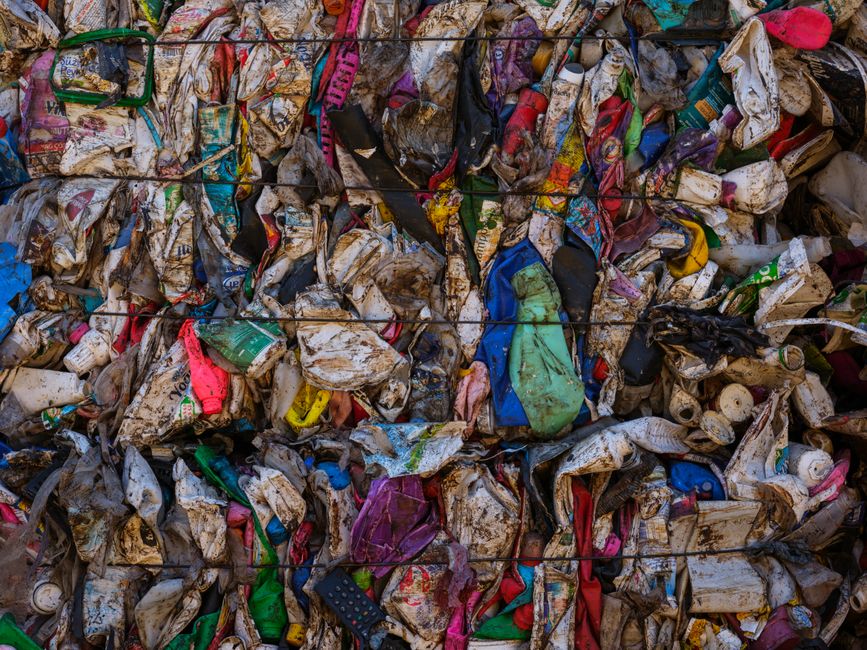
Plastic recycling is the process of recovering scrap or waste plastic and reprocessing it into useful products. This process typically involves several stages, including collection, sorting, cleaning, and reprocessing. According to the Environmental Protection Agency (EPA), approximately 9% of plastic waste is recycled, highlighting the vast potential for improvement. Plastic recycling companies play a crucial role in this process by managing the logistics and technology required to transform waste into reusable materials.
One of the primary methods used in plastic recycling is mechanical recycling, where plastics are physically processed to create new products. This method is widely used due to its efficiency and relatively low cost. However, some plastics, particularly those that are contaminated or mixed, can be difficult to recycle. Here, plastic recycling companies must invest in advanced sorting and cleaning technologies to ensure high-quality output.
The Impact of Plastic Recycling Companies
The impact of plastic recycling companies extends beyond just waste management. By recycling plastic, these companies help reduce the reliance on virgin materials, which in turn decreases energy consumption and greenhouse gas emissions. A study by the National Recycling Coalition found that recycling and composting prevented the release of approximately 186 million metric tons of carbon dioxide equivalent into the air in 2013.
Moreover, plastic recycling companies contribute to job creation and economic growth. The recycling industry supports hundreds of thousands of jobs across the globe, from collection and sorting to processing and manufacturing. According to the Bureau of Labor Statistics, the recycling sector employs more than 1.1 million workers in the United States alone, demonstrating its importance not just environmentally but also economically.
Challenges Faced by Plastic Recycling Companies
Despite their critical role, plastic recycling companies face numerous challenges. One of the most significant issues is the contamination of recyclable materials. Contaminated plastics can compromise the quality of recycled products, leading to increased costs and lower profitability. To address this, companies need to implement better education and outreach programs to inform the public about proper recycling practices.
Another challenge is the fluctuating market prices for recycled materials. These prices can vary greatly based on global demand, which affects the financial stability of recycling companies. For instance, when oil prices drop, the cost of producing virgin plastic decreases, making it less economically viable to recycle plastic. This volatility can deter investment in recycling technologies and infrastructure.
Innovations in Plastic Recycling
The future of plastic recycling is being shaped by innovative technologies and processes. For instance, chemical recycling, which breaks down plastic into its basic components, is gaining traction as it allows for the recycling of a broader range of plastics, including those that are currently non-recyclable through traditional methods. Companies are investing in research and development to enhance these technologies, making them more efficient and cost-effective.
Additionally, the rise of consumer awareness and demand for sustainable products has led to collaborations between plastic recycling companies and manufacturers. Many brands are now committing to using recycled materials in their products, which not only helps the environment but also appeals to eco-conscious consumers. This shift in consumer behavior is vital for the growth and sustainability of the recycling industry.
Conclusion
Plastic recycling companies are essential to addressing the global plastic waste crisis. They provide vital services that contribute to reducing environmental impact and promoting a circular economy. While the industry faces challenges, ongoing innovations and consumer support signify a promising future for plastic recycling. As individuals and businesses become more engaged in sustainable practices, the role of these companies will undoubtedly expand, paving the way for a more sustainable world. To learn more about how to support this industry, consider exploring a plastic recycling company near you and understanding their impact on your community.