
The ambiance of a restaurant plays a crucial role in shaping the dining experience. From the moment customers walk in, they are greeted by the design elements that reflect the restaurant’s identity and mission. This article will delve into the importance of restaurant interior design, exploring how various aspects such as layout, color, lighting, and decor can significantly influence customer satisfaction and brand perception.
The Role of Layout in Restaurant Design
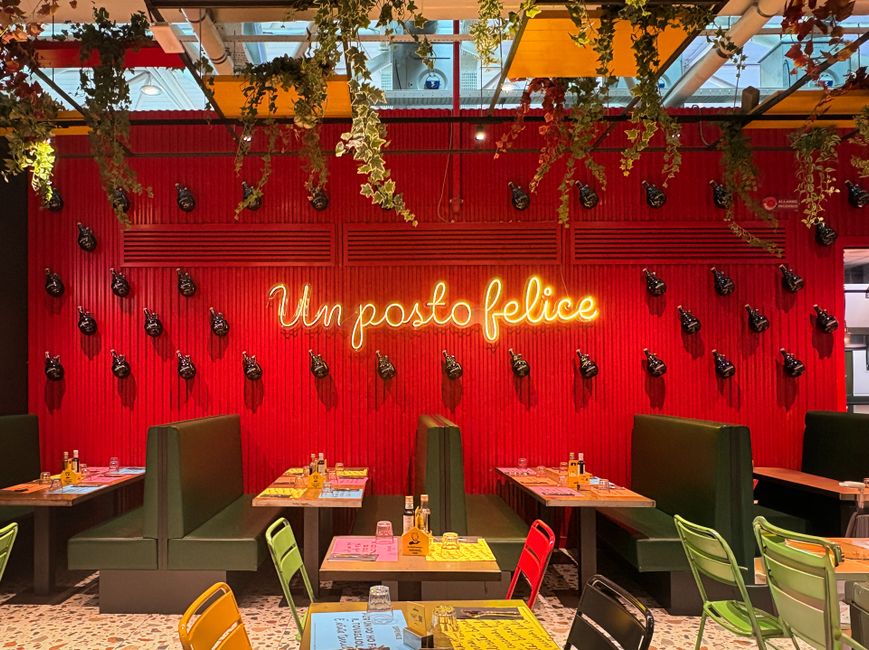
Layout is one of the foundational aspects of restaurant interior design. A well-thought-out layout not only enhances the flow of service but also maximizes the use of available space. For instance, an open floor plan can create a sense of spaciousness, making patrons feel more comfortable. Conversely, a more segmented layout can provide intimacy and privacy, which is particularly appealing for couples or small groups.
Moreover, the arrangement of furniture can affect how customers interact with each other. Studies have shown that seating arrangements can influence social dynamics. For example, communal tables encourage interaction among diners, while booths provide more personal space. Thus, careful consideration of layout can lead to a more enjoyable dining experience.
Color Psychology in Restaurant Interiors
Color is another critical element in restaurant interior design. Different colors evoke different emotions and can influence dining behavior. Warm colors like red and yellow are known to stimulate appetite, making them popular choices for many restaurants. On the other hand, cooler colors such as blue can have a calming effect, which may be suitable for fine dining establishments aiming for a serene atmosphere.
Moreover, the strategic use of color can help reinforce a brand’s identity. For example, a vegan café might use green hues to reflect freshness and sustainability, while a steakhouse may opt for dark, rich colors to convey a sense of luxury and indulgence. Understanding the psychology of color can help restaurant owners create a more compelling and inviting environment.
Lighting: Setting the Mood
Lighting plays a pivotal role in creating the desired ambiance within a restaurant. The right lighting can enhance the aesthetic appeal of the space while also affecting customer behavior. Dim lighting can create a cozy and intimate atmosphere, ideal for romantic dinners, while bright lighting can energize the space, making it suitable for family gatherings or casual dining.
Additionally, the use of various types of lighting—such as ambient, task, and accent lighting—can add depth and dimension to the interior design. For instance, accent lighting can highlight artwork or special features, drawing customers’ attention to particular elements of the design. A well-designed lighting scheme not only enhances the visual appeal but also contributes to the overall dining experience.
Decor and Thematic Elements
Decor is the finishing touch that brings a restaurant’s interior design to life. It encompasses everything from wall art and plants to furniture and table settings. Thematic decor can help establish a unique identity for the restaurant, making it memorable for patrons. For example, a nautical theme may use marine elements like nets and shells, while a rustic restaurant might incorporate reclaimed wood and vintage artifacts.
Moreover, decor can also serve functional purposes. For instance, sound-absorbing materials can be used to minimize noise levels in a bustling environment, enhancing the overall dining experience. Attention to detail in decor can create a cohesive and inviting atmosphere that resonates with customers.
Case Studies: Successful Restaurant Designs
Examining successful restaurant designs can provide valuable insights for aspiring restaurateurs. For example, the highly acclaimed restaurant *Noma* in Copenhagen is known for its minimalist design that highlights natural materials and earthy tones. This approach reflects the restaurant’s commitment to sustainability and local sourcing, which resonates strongly with its clientele.
Another example is *Eleven Madison Park* in New York City, which features a modern yet elegant design that complements its fine dining experience. The restaurant uses soft lighting and lush greenery to create an inviting atmosphere, ensuring that guests feel both relaxed and pampered.
These case studies underscore the importance of aligning the interior design with the restaurant’s concept and target audience. By studying successful examples, new restaurants can glean insights into effective design strategies that enhance customer satisfaction.
Conclusion
In conclusion, restaurant interior design is not merely an aesthetic choice; it is a vital component of the overall dining experience. From layout and color to lighting and decor, each element plays a crucial role in shaping how customers perceive and enjoy their meals. By investing time and resources into thoughtful and innovative design, restaurant owners can create spaces that attract customers, foster positive experiences, and ultimately drive business success. For more insights on restaurant interior design, exploring industry trends and expert recommendations can be beneficial.