The ambiance of a restaurant plays a crucial role in the overall dining experience. It’s not just about the food; the interior design can significantly influence customer satisfaction, repeat visits, and even the perception of the brand. In this article, we will explore the essential elements of restaurant interior design, showcasing how thoughtful choices can enhance customer engagement and drive success.
Understanding the Basics of Restaurant Interior Design
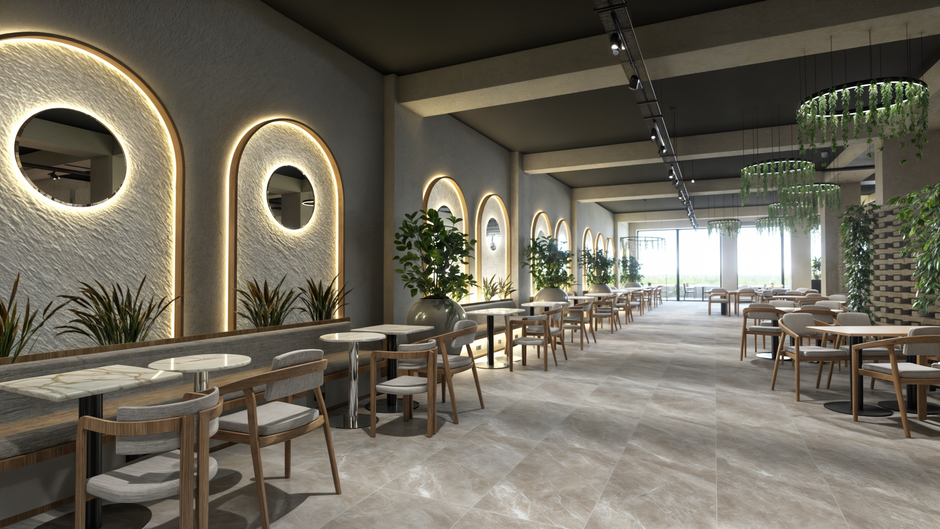
Restaurant interior design involves creating a cohesive and inviting atmosphere that reflects the restaurant’s concept and cuisine. It requires a careful balance of aesthetics, functionality, and comfort. Key elements include layout, color schemes, furniture selection, and lighting. For instance, a fine dining restaurant might opt for muted colors and elegant furnishings, while a casual eatery may choose bright colors and comfortable seating.
Moreover, understanding the target audience is vital. A family-oriented restaurant may prioritize open spaces and kid-friendly designs, while a trendy urban café might focus on creating an Instagram-worthy environment. Every decision in the design process should align with the brand’s identity and customer expectations.
The Role of Layout in Enhancing Customer Flow
The layout of a restaurant is fundamental to its operational efficiency and customer experience. A well-designed layout facilitates smooth traffic flow, allowing customers to move comfortably from the entrance to their tables and eventually to the exit. It also influences how staff interact with patrons and manage service.
Consider the placement of the kitchen, restrooms, and dining areas. An open kitchen can enhance transparency and engagement, making diners feel more connected to the culinary process. Similarly, creating intimate dining nooks can encourage couples to choose your restaurant for date nights. Thoughtful layout design not only enhances functionality but also contributes to the overall ambiance.
Choosing the Right Color Palette
Color psychology plays a significant role in influencing emotions and behaviors. In restaurant interior design, selecting the right color palette can evoke feelings of warmth, comfort, or excitement. For example, warm colors like red and orange can stimulate appetite and conversation, making them popular choices for casual dining spaces. In contrast, cooler colors such as blue and green can create a calming environment suitable for fine dining.
Additionally, the color scheme should align with the restaurant’s theme. A rustic Italian trattoria might incorporate earthy tones, while a modern sushi bar might favor sleek, minimalist shades. It’s essential to consider how the chosen colors will look under different lighting conditions, as this can significantly alter their impact.
Furniture Selection and Arrangement
Furniture is another critical aspect of restaurant interior design that affects both aesthetics and comfort. The choice of furniture should reflect the restaurant’s style and purpose. For instance, a fast-casual dining concept may benefit from durable, easy-to-clean materials, while a high-end restaurant might invest in custom-made pieces that enhance the overall luxury experience.
Furthermore, the arrangement of furniture can influence customer interactions. Tables spaced too closely can create a sense of overcrowding, while too much space can feel impersonal. Striking the right balance is essential to ensure that diners feel comfortable while maintaining a lively atmosphere. Additionally, incorporating flexible seating options can accommodate varying group sizes and preferences.
Lighting: Setting the Mood
Lighting is a powerful tool in restaurant interior design that can dramatically alter the mood and ambiance. The right lighting can create a warm, inviting atmosphere or a vibrant, energetic environment. It’s essential to consider both natural and artificial lighting sources during the design process.
For example, a café that thrives on morning traffic may benefit from large windows that allow natural light to flood in, creating an open and airy feel. In contrast, a bar may opt for dim lighting to create a cozy, intimate setting in the evening. Layering different types of lighting—ambient, task, and accent—can also enhance the overall experience, allowing for versatility throughout the day.
Conclusion: The Impact of Thoughtful Design
In conclusion, restaurant interior design is an intricate blend of creativity and strategy. Every element, from layout to color palette, furniture selection, and lighting, plays a crucial role in shaping the dining experience. By prioritizing thoughtful design, restaurant owners can create inviting spaces that not only attract customers but also encourage them to return. For those looking to elevate their establishment, investing in professional restaurant interior design services can make a significant difference in achieving a unique and memorable atmosphere.