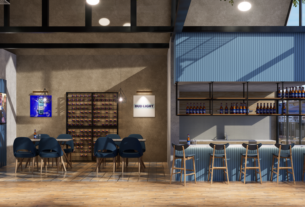
In the competitive world of dining, the interior design of a restaurant can make or break its success. When patrons enter a restaurant, their experience begins with the ambiance created by the interior. This article delves into the essential elements of restaurant interior design and how they contribute to customer satisfaction and business success.
The Importance of First Impressions
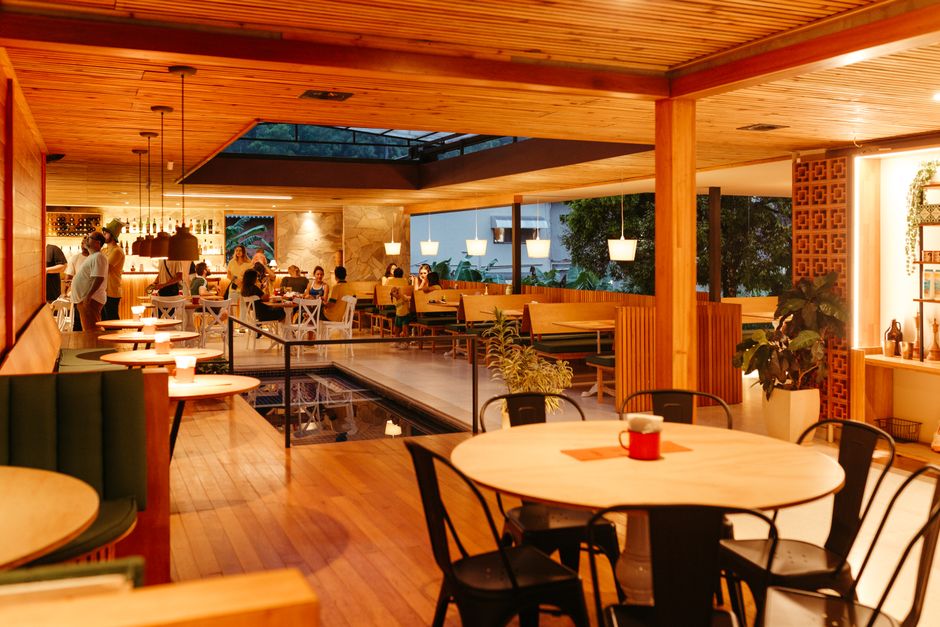
First impressions are critical in the restaurant industry. Studies show that diners often make up their minds within the first 10 seconds of entering a space. A well-designed interior can evoke positive emotions, encouraging guests to stay longer and return in the future. For instance, a warm color palette and comfortable seating can create a welcoming environment, while an open layout can enhance the feeling of spaciousness.
Moreover, the choice of decor and furnishings reflects the restaurant’s brand identity. A fine dining establishment may opt for elegant furnishings and soft lighting, while a casual eatery might choose vibrant colors and quirky artwork. Such design choices not only appeal to the target demographic but also reinforce the restaurant’s theme and concept.
Key Design Elements to Consider
There are several key elements to consider when designing a restaurant’s interior. Lighting plays a crucial role in setting the mood. Soft, dim lighting can create an intimate atmosphere, perfect for romantic dinners, while bright lighting is more suitable for family-friendly environments. Additionally, natural light is highly desirable, as it enhances the overall dining experience.
Furniture selection is another vital component. The seating must be comfortable, as patrons often linger over meals. Additionally, the layout should facilitate smooth traffic flow, allowing waitstaff to navigate easily while providing diners with enough space to enjoy their meals without feeling cramped.
Incorporating elements of nature, such as plants or water features, can also enhance the ambiance. Biophilic design has been shown to reduce stress and improve overall well-being. Restaurants that embrace this concept can create a more relaxing and enjoyable dining experience.
Brand Storytelling Through Design
Every restaurant has a story to tell, and the interior design should reflect that narrative. Whether it’s through the materials used, the color scheme, or the artwork displayed, each element should contribute to the overall story. For example, a farm-to-table restaurant might incorporate rustic wooden tables and green accents to emphasize its commitment to sustainability.
Art and decor are also powerful tools for storytelling. Local artists’ work can not only support the community but also create a unique atmosphere that resonates with diners. This connection can enhance the dining experience, making it more memorable and encouraging patrons to share their experience with others.
Trends in Restaurant Interior Design
As the industry evolves, so do design trends. Currently, there is a growing emphasis on sustainability in restaurant interior design. Many establishments are opting for reclaimed materials, energy-efficient lighting, and environmentally friendly practices. This not only appeals to eco-conscious consumers but also reduces operational costs in the long run.
Another trend is the use of technology in design. Interactive elements, such as digital menus or augmented reality experiences, can enhance the dining experience while also improving operational efficiency. Restaurants that embrace these technologies can stand out in a crowded market.
Moreover, flexibility in design is becoming increasingly important. With the rise of casual dining and takeout options, many restaurants are designing spaces that can easily transition from dine-in to takeout. Movable furniture and adaptable layouts can accommodate various needs without sacrificing style.
Conclusion: The Impact of Thoughtful Design
In conclusion, restaurant interior design is more than just aesthetic appeal; it plays a pivotal role in creating a memorable dining experience. By focusing on key elements such as lighting, furniture, and storytelling, restaurant owners can craft spaces that attract and retain customers. Embracing current trends, such as sustainability and technology, will further enhance a restaurant’s reputation and success. For those looking to elevate their dining establishment, investing in restaurant interior design is a crucial step towards achieving that goal.