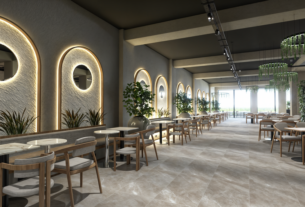
In the competitive world of dining, the interior design of a restaurant plays a crucial role in attracting and retaining customers. A well-thought-out design not only enhances the dining experience but also reflects the restaurant’s brand identity. From cozy bistros to upscale dining establishments, the right interior design can create an inviting atmosphere that encourages patrons to return. In this article, we will explore current trends in restaurant interior design, the psychology behind different styles, and practical tips for creating a memorable space.
Understanding the Importance of Restaurant Interior Design
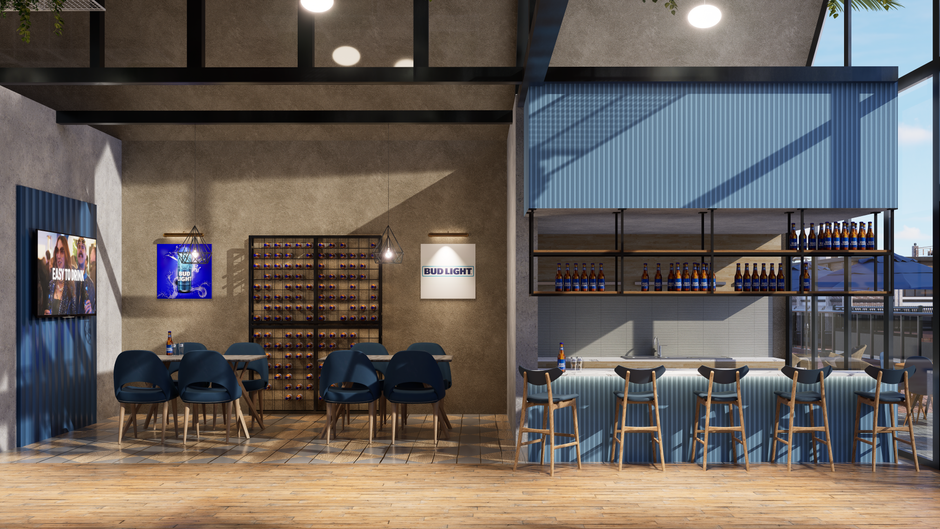
The interior design of a restaurant goes beyond aesthetics; it significantly influences customer behavior and their overall experience. Research indicates that the ambiance of a restaurant can affect how long customers stay and how much they are willing to spend. According to a study by the Cornell University School of Hotel Administration, diners in a well-designed space tend to order more food and beverages, as they feel more comfortable and relaxed.
Moreover, the layout of the restaurant can facilitate better service and enhance customer satisfaction. A well-planned flow allows staff to move efficiently between tables, ensuring that customers receive prompt attention. Thus, investing in thoughtful interior design is not merely a luxury but a strategic business decision.
Current Trends in Restaurant Interior Design
As we dive into the latest trends, one cannot ignore the rise of sustainability in restaurant design. Many establishments are opting for eco-friendly materials and energy-efficient appliances, reflecting a commitment to environmental responsibility. For instance, reclaimed wood, recycled metals, and low-VOC paints are becoming popular choices among restaurant owners who wish to create a sustainable dining environment.
Another notable trend is the incorporation of technology into the dining experience. Many restaurants are now using digital menus, interactive tables, and even virtual reality to engage customers. This tech-savvy approach not only enhances the dining experience but also caters to the preferences of a younger, more digitally inclined audience.
Additionally, the concept of open kitchens has gained traction, allowing diners to see their food being prepared. This transparency not only builds trust but also creates a dynamic atmosphere where customers can enjoy the sights and sounds of culinary creativity.
Creating a Cohesive Theme
One of the essential aspects of restaurant interior design is establishing a cohesive theme that aligns with the restaurant’s branding. Whether it’s a rustic farmhouse, a sleek modern space, or an eclectic mix of styles, the theme should be evident in every design element, from furniture and decor to lighting and color schemes.
For example, a Mediterranean restaurant may incorporate terracotta tiles, wooden beams, and warm earth tones to evoke the feeling of a sun-soaked terrace. In contrast, a contemporary sushi bar might favor minimalist decor with clean lines, neutral colors, and strategic lighting to create a serene atmosphere.
Moreover, the choice of furniture can significantly impact the theme. Comfortable seating arrangements encourage customers to linger longer, while communal tables can foster a sense of community. Selecting the right pieces is crucial to achieving the desired ambiance.
Lighting: An Essential Element
Lighting is often referred to as the unsung hero of interior design, and in restaurants, it plays a pivotal role in setting the mood. The right lighting can transform a space from ordinary to extraordinary. Ambient, task, and accent lighting should all be considered when designing a restaurant.
For instance, soft, warm lighting can create an intimate dining experience, perfect for romantic dinners, while brighter lighting may be more suitable for casual eateries where patrons are looking for a lively atmosphere. Furthermore, adjustable lighting options allow staff to change the ambiance throughout the day, catering to different dining experiences.
Incorporating natural light into the design can also enhance the overall feel of the restaurant. Large windows or skylights can create an airy and inviting environment, making the space feel more open and connected to the outside world.
Conclusion: The Future of Restaurant Interior Design
As the restaurant industry continues to evolve, so too will the trends in interior design. The focus on sustainability, technology, and cohesive themes will likely remain at the forefront of design strategies. By understanding the impact of interior design on customer experience, restaurant owners can create inviting spaces that not only attract diners but also encourage loyalty.
Ultimately, a well-designed restaurant interior is more than just a visual treat; it is an integral part of the dining experience that can lead to increased customer satisfaction and revenue. For those looking to elevate their restaurant’s ambiance, exploring innovative ideas in restaurant interior design can provide the inspiration needed to create a stunning dining environment.