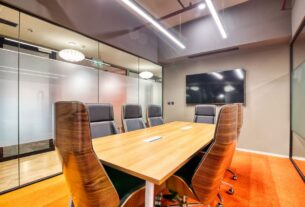
In today’s competitive marketplace, the design of commercial spaces plays a crucial role in attracting customers and enhancing employee productivity. A commercial interior designer is pivotal in creating environments that reflect a brand’s identity while maximizing functionality and aesthetic appeal. This article explores the various aspects of commercial interior design, highlighting the importance of these professionals in shaping the spaces where we work, shop, and interact.
Understanding Commercial Interior Design
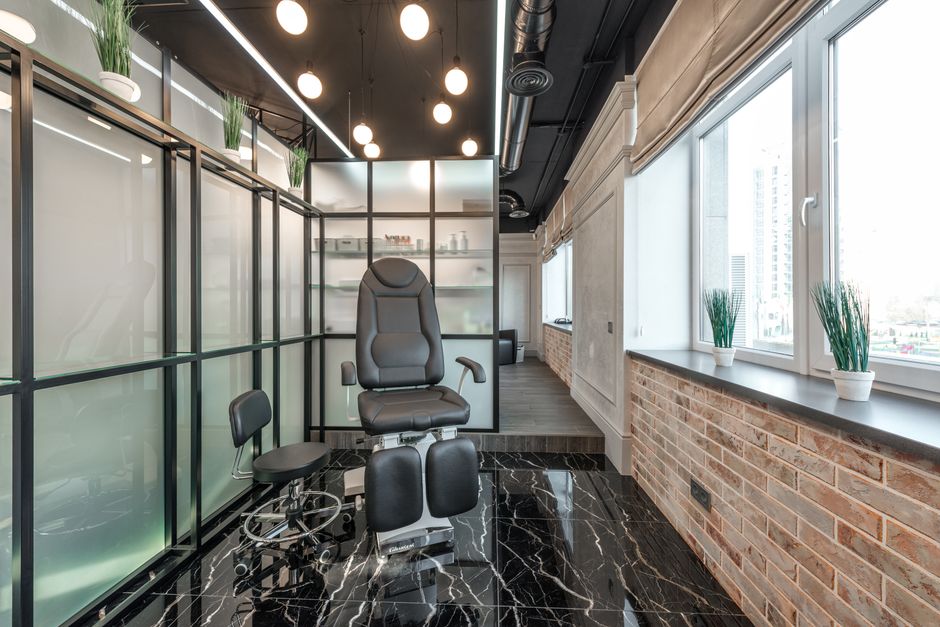
Commercial interior design encompasses a wide range of projects, from corporate offices and retail stores to restaurants and hotels. The primary goal of a commercial interior designer is to create spaces that not only look good but also function well and meet the needs of the occupants. This requires a deep understanding of architecture, design principles, and the specific requirements of different industries.
A commercial interior designer must also consider factors such as lighting, color schemes, furniture selection, and spatial planning. For example, in an office setting, the designer may create open spaces that foster collaboration while also providing private areas for focused work. Incorporating elements like ergonomic furniture can enhance employee comfort and productivity.
The Design Process: From Concept to Completion
The journey of a commercial interior designer typically begins with a thorough consultation to understand the client’s vision, goals, and budget. During this initial phase, designers often conduct site assessments to evaluate the space and determine any structural limitations or opportunities for improvement.
Once the requirements are established, the designer develops a concept that includes layout plans, color palettes, and materials. This concept is presented to the client for feedback and adjustments. The designer must balance creativity with practicality, ensuring that the final design aligns with the brand’s identity while adhering to safety and building regulations.
After the concept is approved, the designer oversees the implementation of the design, coordinating with contractors, suppliers, and other stakeholders. This phase requires strong project management skills to ensure that the project stays on schedule and within budget.
Trends in Commercial Interior Design
The world of commercial interior design is constantly evolving, with new trends emerging to meet changing consumer preferences and technological advancements. One notable trend is the emphasis on sustainability. Many businesses are now seeking eco-friendly materials and energy-efficient solutions to reduce their environmental impact.
Another trend is the integration of technology into design. This includes smart lighting systems, virtual reality in the design process, and interactive displays in retail spaces. For instance, restaurants may use augmented reality menus to enhance the dining experience, while offices can implement smart technology for efficient space utilization.
The Impact of Good Design on Business
Investing in professional commercial interior design can yield significant returns for businesses. Research has shown that well-designed spaces can improve employee morale, increase productivity, and even boost sales in retail environments. For example, a well-organized retail store layout can enhance customer flow and encourage impulse purchases.
Furthermore, a thoughtfully designed workspace can attract top talent. Companies that prioritize employee well-being through effective design are more likely to retain their staff and foster a positive workplace culture. This, in turn, translates to better performance and business outcomes.
Choosing the Right Commercial Interior Designer
When selecting a commercial interior designer, it’s essential to consider their experience, portfolio, and design philosophy. Look for designers who have worked on projects similar to yours and can demonstrate a strong understanding of your industry. Additionally, communication is key; a successful partnership hinges on clear dialogue and mutual respect.
It can also be beneficial to check client testimonials and reviews to gauge the designer’s reliability and professionalism. Engaging a commercial interior designer who understands your vision can make all the difference in bringing your project to life.
Conclusion
In conclusion, the role of a commercial interior designer is vital in shaping the spaces where we conduct business and interact with others. By understanding the intricacies of design, staying ahead of trends, and effectively managing projects, these professionals create environments that enhance brand identity and improve functionality. As businesses continue to recognize the importance of their physical spaces, the demand for skilled commercial interior designers will only grow.