
In recent years, the demand for baby furniture has seen a significant rise. Parents today are more discerning than ever, seeking out quality, safety, and style when it comes to furnishing their nurseries. This growing trend has opened up lucrative opportunities for wholesalers in the baby furniture industry. Understanding the nuances of this market can be pivotal for businesses looking to thrive in this competitive landscape.
The Baby Furniture Market: An Overview
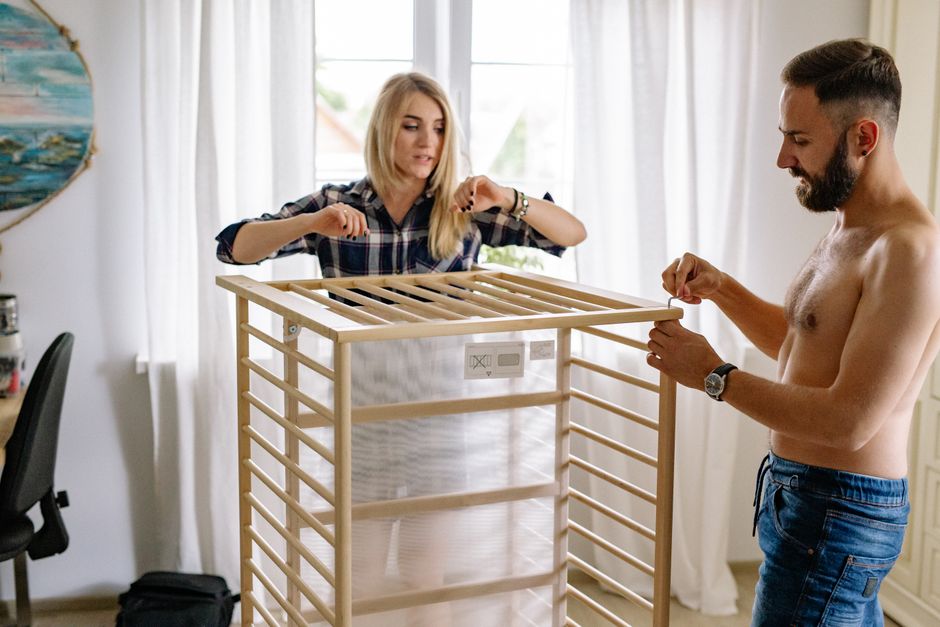
The baby furniture market encompasses a wide range of products, including cribs, changing tables, dressers, and more. According to recent studies, the global baby furniture market size was valued at approximately $11 billion in 2022 and is projected to grow at a CAGR of around 5% through 2030. This growth is driven by several factors, including an increase in birth rates in certain regions and a heightened focus on creating safe, aesthetically pleasing environments for infants.
Wholesale suppliers play a crucial role in this ecosystem, providing retailers with the products they need to meet consumer demand. They often work directly with manufacturers to source high-quality items that comply with safety standards, making it essential for them to stay informed about the latest trends and regulations in the industry.
Key Trends in Baby Furniture
One of the most notable trends in the baby furniture market is the shift toward eco-friendly materials. Parents are increasingly concerned about the impact of chemicals found in traditional furniture, leading to a rise in demand for sustainable products. Retailers looking to capitalize on this trend may consider partnering with wholesalers who specialize in baby furniture wholesale that uses natural, organic materials.
Another trend is the customization of baby furniture. Many parents are seeking unique pieces that reflect their personal style and fit seamlessly into their home decor. This has prompted wholesalers to offer a wider variety of designs, colors, and finishes to meet diverse consumer preferences.
Challenges in the Wholesale Baby Furniture Market
While the prospects for baby furniture wholesale are promising, there are challenges that suppliers must navigate. For instance, competition among wholesalers can be fierce, making it essential to develop strong relationships with retailers and provide exceptional customer service. Additionally, fluctuating material costs can impact pricing strategies, requiring wholesalers to be agile and responsive to market changes.
Supply chain disruptions, such as those seen during the pandemic, also pose significant risks. Wholesalers must ensure they have robust logistics in place to manage inventory effectively and meet the demands of their retail partners.
Strategies for Success in Baby Furniture Wholesale
To succeed in the wholesale baby furniture market, it is vital to adopt a proactive approach. Investing in market research can provide insights into emerging trends and consumer behaviors, allowing wholesalers to tailor their product offerings accordingly. Additionally, leveraging online platforms can enhance visibility and simplify the buying process for retailers.
Building a strong brand presence is equally important. Wholesalers should focus on marketing their unique selling propositions, such as superior quality, innovative designs, or sustainable practices. By creating a compelling narrative around their products, they can differentiate themselves in a crowded market.
Conclusion: The Future of Baby Furniture Wholesale
The baby furniture wholesale market is poised for growth, driven by evolving consumer preferences and an increasing focus on safety and style. Wholesalers who stay attuned to market trends, prioritize sustainability, and cultivate strong relationships with retailers will find themselves well-positioned for success. As the industry continues to evolve, those who adapt and innovate will lead the way in shaping the future of baby furniture.