
Crime scene cleanup is a crucial yet often overlooked aspect of forensic science and public safety. When a crime occurs, the aftermath can be chaotic and traumatic, leaving behind hazardous materials that pose health risks. Proper cleanup is essential not only for restoring the scene but also for ensuring the safety of communities and families involved. This article explores the significance of crime scene cleanup, the protocols involved, and the challenges faced by professionals in this field.
The Role of Crime Scene Cleanup
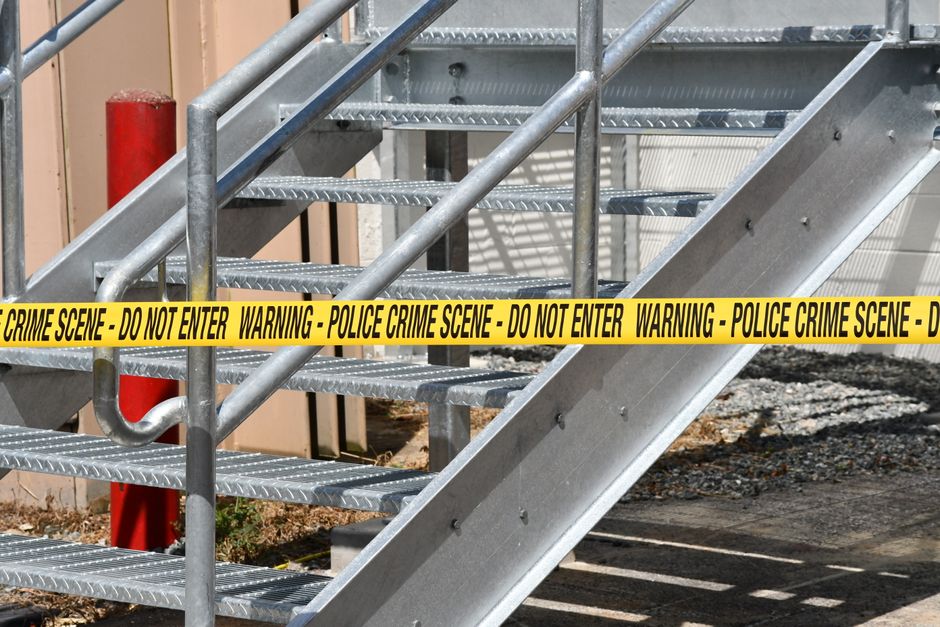
Crime scene cleanup, often referred to as biohazard cleanup, involves the removal of blood, bodily fluids, and other hazardous materials from a crime scene. This process is critical for several reasons. First and foremost, it ensures that the site is safe for future inhabitants. Blood and other biological materials can carry infectious diseases, so removing them properly is essential for public health.
Moreover, a thorough cleanup helps to preserve the integrity of the investigation. Law enforcement agencies rely on crime scene evidence to solve cases, and any contamination can jeopardize their efforts. By employing specialized cleanup technicians, the scene can be restored without compromising any critical evidence.
Health Risks Associated with Improper Cleanup
When crime scenes are not cleaned up properly, various health risks emerge. Bloodborne pathogens, such as HIV and Hepatitis B, can pose significant threats to anyone who comes into contact with contaminated materials. Additionally, the presence of chemical substances used in criminal activities can lead to further complications.
For instance, a methamphetamine lab cleanup requires specialized training and equipment due to the toxic chemicals involved. Individuals attempting to clean such sites without proper knowledge and gear could expose themselves to life-threatening conditions. Therefore, it is crucial to engage certified professionals who understand the protocols and safety measures necessary for effective cleanup.
Protocols and Procedures for Cleanup
The process of crime scene cleanup follows strict protocols to ensure safety and efficiency. Initially, the area is assessed to identify all hazardous materials present. Technicians wear personal protective equipment (PPE) to shield themselves from exposure during the cleanup process.
Once the assessment is complete, the cleanup begins with the removal of all biohazardous materials. This includes using specialized tools and cleaning agents designed to neutralize pathogens and eliminate odors. After the physical cleanup, the area is disinfected to prevent any lingering health risks. Finally, all materials removed from the site are disposed of according to local regulations, ensuring that no hazardous waste poses a threat to the environment.
Challenges Faced by Cleanup Professionals
Professionals in the crime scene cleanup industry face numerous challenges. One of the most significant hurdles is the emotional toll of the job. Cleanup crews often encounter traumatic scenes, which can impact their mental health. To combat this, many companies provide psychological support and counseling services for their employees.
Another challenge is the need for continuous training and certification. As laws and regulations change, technicians must stay updated on best practices for safety and compliance. This ongoing education is essential for maintaining high standards in the industry.
Finally, the stigma surrounding crime scene cleanup can affect business operations. Many individuals are unaware of the importance of professional cleanup and may hesitate to reach out for help. Increasing public awareness through education can help mitigate this issue, making it easier for those in need to access vital services.
Conclusion
In conclusion, crime scene cleanup is a vital service that plays a crucial role in public health and safety. The effective removal of hazardous materials not only protects the well-being of individuals and communities but also supports law enforcement in their investigative efforts. By understanding the importance of this field and the challenges faced by cleanup professionals, we can appreciate the critical role they play in restoring order and safety after a traumatic event. For more detailed information about crime scene cleanup, it’s essential to consult certified professionals who can provide the necessary services.