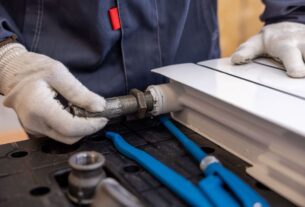
The world of rubber molding is a fascinating and complex industry that plays a crucial role in various sectors. From automotive to consumer goods, rubber products serve multiple functions, and the manufacturers behind these processes are essential to delivering quality and efficiency. In this article, we will explore the intricacies of rubber molding, the importance of manufacturers in this field, and how they contribute to innovation and sustainability.
What is Rubber Molding?
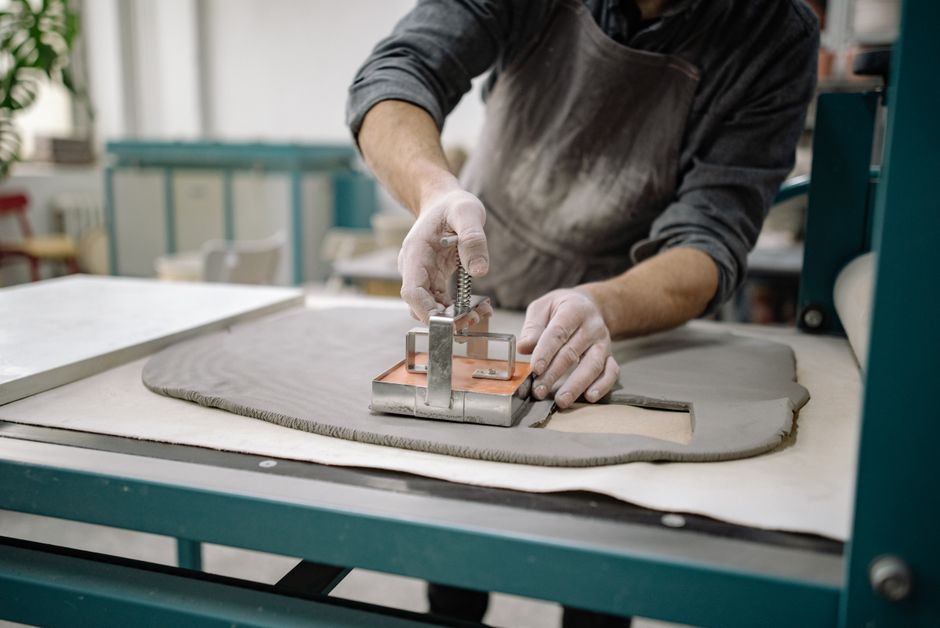
Rubber molding is a manufacturing process that involves shaping rubber into desired forms. This technique can be applied in various ways, including compression molding, transfer molding, and injection molding. Each method has its unique advantages depending on the specifications of the product being created. The ability to mold rubber efficiently allows manufacturers to produce a wide range of products, from seals and gaskets to complex automotive parts.
According to a recent market analysis, the global rubber molding market is expected to grow significantly over the next decade, driven by increasing demand in industries such as automotive, aerospace, and electronics. The versatility of rubber, combined with advancements in molding technology, has made it a preferred choice for many applications.
The Importance of Manufacturers in Rubber Molding
Manufacturers of rubber molding play a pivotal role in the overall supply chain. They are responsible for not only the production of rubber products but also for ensuring that these products meet strict quality standards. The selection of materials, the precision of the molding process, and the testing of the finished products are all critical aspects that manufacturers must manage effectively.
A key aspect of successful rubber molding manufacturing is the collaboration between manufacturers and their clients. Understanding specific requirements, such as durability, temperature resistance, and chemical compatibility, enables manufacturers to tailor their processes and materials accordingly. This collaboration often leads to innovative solutions that can enhance performance and reduce costs.
Moreover, manufacturers are increasingly focusing on sustainable practices. The rubber industry has historically faced challenges related to environmental impact, and as a result, many manufacturers are exploring eco-friendly materials and processes. This shift not only helps in reducing waste and emissions but also appeals to the growing consumer demand for sustainable products.
Advancements in Rubber Molding Technology
Technological advancements have profoundly impacted the rubber molding industry. From computer-aided design (CAD) to automated machinery, these innovations have improved precision, reduced production times, and enhanced the overall quality of rubber products. For instance, the implementation of 3D printing technology in the prototyping phase allows manufacturers to quickly iterate on designs, leading to faster development cycles.
Additionally, smart manufacturing practices, which utilize data analytics and Internet of Things (IoT) technologies, are becoming more prevalent. These practices help manufacturers optimize their production processes, minimize downtime, and improve product consistency. As a result, manufacturers can respond more effectively to market demands and changes in consumer preferences.
Challenges Faced by Rubber Molding Manufacturers
Despite the many opportunities in the rubber molding industry, manufacturers face several challenges. Fluctuating raw material prices, stringent regulatory requirements, and increasing competition are just a few of the obstacles that can impact profitability. Furthermore, as the industry evolves, manufacturers must stay ahead by continuously investing in research and development.
For instance, the demand for high-performance rubber materials has led to the development of specialty compounds that can withstand extreme conditions. Manufacturers must not only be aware of these material advancements but also have the expertise to implement them effectively in their production processes.
Another challenge is the need for skilled labor. As the industry incorporates more advanced technologies, the demand for workers with technical skills and knowledge of modern manufacturing practices continues to rise. Manufacturers must invest in training and development programs to cultivate a skilled workforce capable of meeting these demands.
The Future of Rubber Molding
Looking ahead, the future of rubber molding appears promising. As industries continue to evolve, the demand for customized and high-quality rubber products will only increase. Manufacturers that embrace innovation, prioritize sustainability, and invest in their workforce will likely thrive in this competitive landscape.
Furthermore, the integration of advanced technologies, such as artificial intelligence and machine learning, could revolutionize the rubber molding process, leading to unprecedented efficiencies and product quality. Manufacturers should remain agile and adaptable to harness these opportunities effectively.
In conclusion, the role of fabricante moldeo caucho in the rubber molding industry is multifaceted and crucial for the continued growth and development of this sector. By understanding the complexities of the manufacturing process and the challenges faced, stakeholders can work together to drive innovation and sustainability in rubber products.