Replacing a roof is a significant investment that many homeowners face at some point. Understanding the costs involved can help you plan properly and avoid unexpected expenses. This article will explore the various factors that influence roof replacement costs, how to get accurate estimates, and tips for saving money while ensuring quality work.
Factors Influencing Roof Replacement Costs
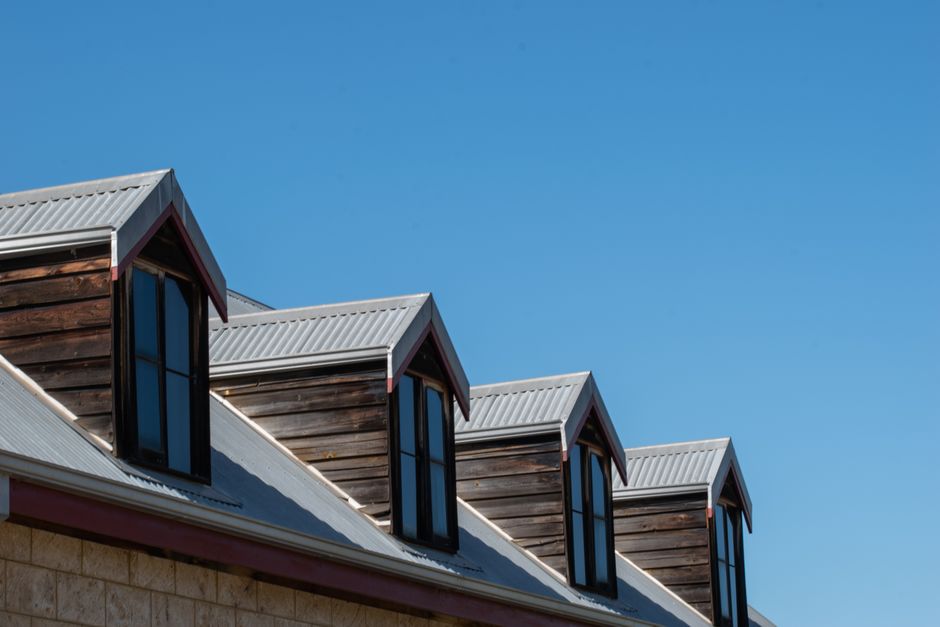
There are several factors that can affect the overall cost of replacing a roof. The type of roofing material you choose is one of the most significant components. For instance, asphalt shingles are generally less expensive than metal or slate roofing. Additionally, the size and pitch of your roof play a crucial role; larger and steeper roofs require more materials and labor, thus increasing the cost.
Another factor is the condition of your existing roof. If your roof is in terrible condition, it may require additional work, such as removing old materials or repairing underlying structures before the new roof can be installed. This can add significantly to your roof replacement cost.
Labor costs can vary significantly based on your location and the roofing company you choose. It’s essential to get multiple quotes from different contractors to ensure you are not overpaying. Each contractor may have different pricing structures and levels of experience, impacting the overall cost.
Types of Roofing Materials and Their Costs
The choice of roofing material significantly impacts the total cost of a roof replacement. Asphalt shingles are typically the most cost-effective option, with prices ranging from $90 to $100 per square. Metal roofing, while more expensive initially, can save homeowners money in the long run due to its durability and energy efficiency, costing between $150 to $600 per square.
Tile and slate roofs are more expensive, with costs ranging from $300 to $1000 per square, but they can last for decades and add a unique aesthetic appeal to your home. When considering your options, it’s crucial to weigh the upfront costs against the long-term benefits of each material.
Estimating Your Roof Replacement Costs
To get an accurate estimate of your roof replacement costs, start by measuring the area of your roof. A roofing contractor can help with this if you’re unsure. Once you have the total square footage, you can calculate an estimated cost based on the price per square of your chosen roofing material.
Additionally, it’s essential to account for any extra costs that might arise, such as permits, waste disposal, and unforeseen repairs. Many contractors will include these in their estimates, but it’s always a good idea to ask for a detailed breakdown of the costs involved.
Finally, consider the timing of your roof replacement. Roofing companies may offer discounts during the off-season or when business is slow. Scheduling your replacement during these times can lead to significant savings.
Tips for Saving on Roof Replacement
While replacing a roof can be costly, there are several strategies you can employ to save money. First, consider financing options or payment plans that some contractors may offer. This can help spread the cost of the project over time.
Another tip is to invest in energy-efficient materials. While they might have a higher initial cost, they can reduce your energy bills over the life of the roof, ultimately saving you money. Additionally, regular maintenance can extend the life of your roof, delaying the need for a full replacement.
Lastly, always compare quotes from multiple contractors. This not only gives you a better understanding of the market rates but also helps you find a reputable contractor who offers a fair price.
Conclusion
Understanding the roof replacement cost is crucial for any homeowner looking to maintain or upgrade their property. By considering the various factors that influence costs, choosing the right materials, and following practical tips for saving money, you can make informed decisions that protect your investment. Ultimately, a well-planned roof replacement can enhance your home’s value and curb appeal while ensuring your family’s safety and comfort for years to come.